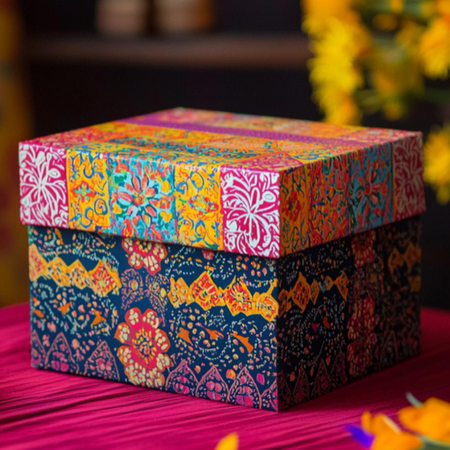
Limited production is a powerful brand strategy that gives consumers the sense that a product may not always be available. Products manufactured in limited quantities, collections created for specific occasions, or packaging designs available for a short period are different manifestations of this approach. What matters here is not only the limited quantity of the product, but also how the packaging communicates this sense of temporariness to consumers.
In a limited production strategy, packaging goes beyond being the physical carrier of the product and becomes an important part of the perception of rarity. Colors, graphics, materials, or printing techniques that differ from standard products can visually communicate that a collection belongs to a particular period. However, these differences need to remain connected to the brand identity. Otherwise, changes intended to create a sense of exclusivity may weaken the brand’s recognizability.
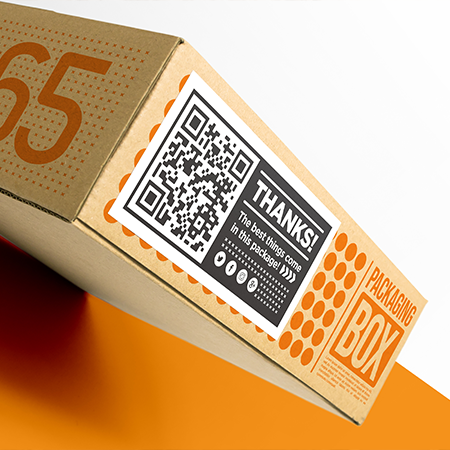
The effect of temporariness on consumer behavior is also related to the time available for decision-making. While a product that is always available can be postponed, a product limited by a specific period or quantity may be considered more quickly. Elements such as a serial number, production period, special collection statement, or limited-edition quantity displayed on the packaging can reinforce this perception. In this way, packaging communicates not only what the product is, but also why it matters at a particular moment.
The tactile experience also becomes more significant in limited-edition packaging. Special papers, distinctive surface textures, embossing applications, or unconventional opening mechanisms can differentiate the consumer’s physical interaction with the product. These details make the product’s temporary and special character perceptible not only visually, but also through the senses.
However, repeatedly using scarcity messaging can diminish its impact. Presenting every season, campaign, or new product as “special” and “limited” can cause the perception of rarity to become ordinary. For this reason, it is important for a limited production approach to be grounded in a genuinely meaningful story, period, or collection.
From a packaging perspective, the goal is not simply to create a fear of missing out. A stronger approach is to convey that the product belongs to a particular period, carries a distinct story, and offers an experience that may not be encountered in exactly the same form again. When designed effectively, temporariness can transform packaging from a merely protective surface into an integral part of how the product’s value and desirability are perceived.
At LuxBoxPack, we provide packaging solutions tailored to the evolving needs of our clients in different sectors. Contact us at +90 212 438 82 15 to get detailed information about our product range.