
Packaging, a fundamental element that protects the product, is also one of the strongest reflections of brand identity. In most cases, a consumer’s first interaction with a product occurs through its packaging. This interaction also carries clues about the pricing strategy. In other words, packaging plays a critical role in whether a product is perceived as “affordable” or “premium.”
Packaging That Reflects a High-Price Strategy:
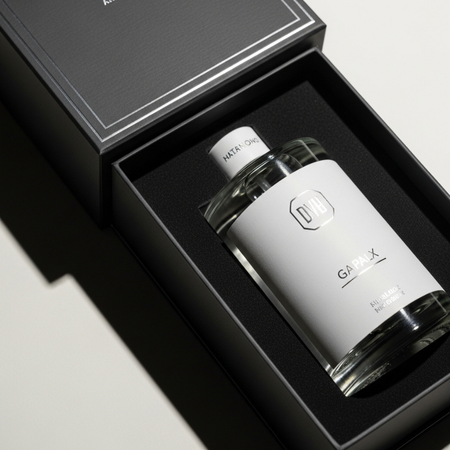
Brands positioned in the upper segment must ensure that quality is conveyed down to the finest details of their packaging design. Matte and textured papers, heavy glass bottles, sophisticated typography, or embossed logos visually and tactilely communicate the justification for a high price. Minimalist lines and the silent luxury approach reinforce this perception.
Balance in the Mid-Range Segment:
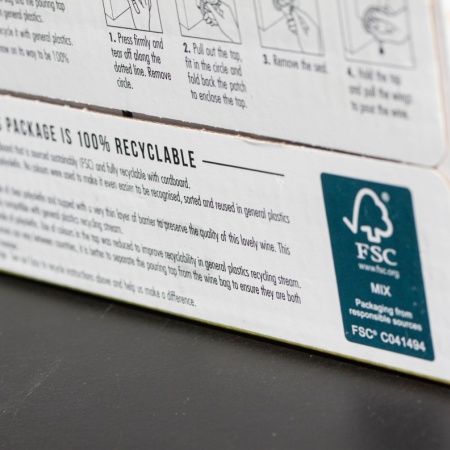
For products positioned in the mid-price range, balance is key. It is necessary to create a sense of accessibility while maintaining a perception of quality. In this segment, brands can use durable yet relatively cost-effective materials to convey a message of “value” without sacrificing aesthetics. While the use of color in packaging is somewhat freer, the design should not be overdone.
Transparent Communication in Affordable Products:
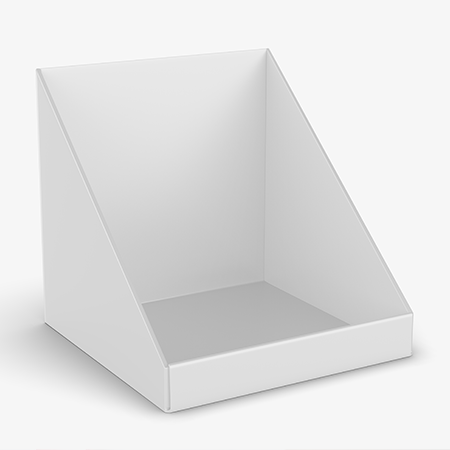
Brands that adopt a low-price strategy prioritize functionality in packaging design. What matters here is offering clear and transparent communication to the consumer. Plastic or simple cardboard packaging is acceptable in this segment; however, even for low-cost products, brands should not neglect thoughtful design. Clean typography, clear labels, and an orderly appearance create a sense of reliability despite the low price.
Pitfalls to Avoid:
Inconsistency: A product claiming to be high-priced but packaged with cheap materials creates consumer distrust.
Overdoing it: Adding excessive luxury elements to affordable products raises doubts about the balance between price and quality.
Segment confusion: The message conveyed by the packaging must align with the product’s price.
In summary, packaging design is a silent ambassador that supports a brand’s pricing strategy. For affordable products, reliability takes the forefront; in the mid-range segment, a balanced sense of value; and in the premium segment, an emphasis on flawless quality. With the right design approach, consumers can sense a product’s positioning even before seeing its price.
At LuxBoxPack, we provide packaging solutions tailored to the evolving needs of our clients in different sectors. Contact us at +90 212 438 82 15 to get detailed information about our product range.