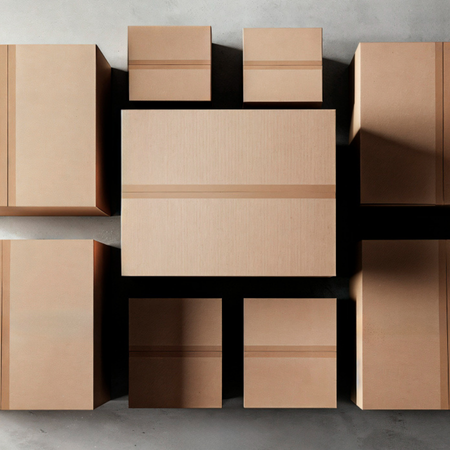
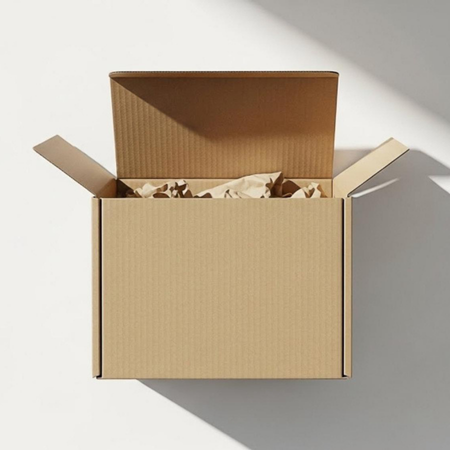
For many years, cardboard packaging was primarily valued for its ability to transport, store, and protect products from external factors. However, changing consumer expectations, the rise of e-commerce, and brands’ growing focus on physical touchpoints have significantly expanded the role of cardboard packaging. Today, packaging is no longer viewed solely as a protective layer between the product and the outside environment - it is also considered an integral part of the experience a brand creates with its consumers.
Functionality That Goes Beyond Protection
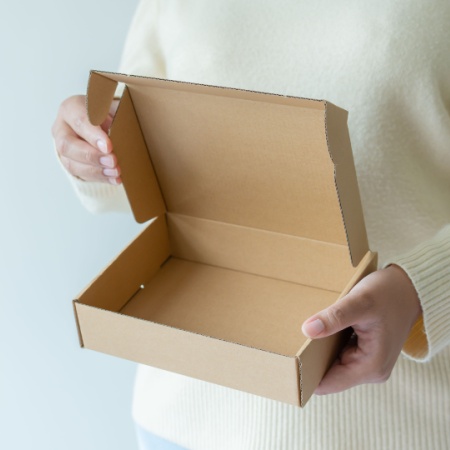
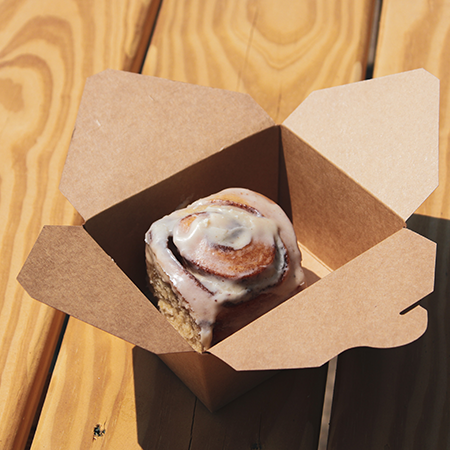
The primary function of cardboard packaging is still to ensure product safety. However, factors such as material quality, structural design, folding methods, and internal layout now have an impact on the overall experience. Easy opening, the orderly placement of the product inside the box, and the reduction of unnecessary material use all contribute directly to the user experience.
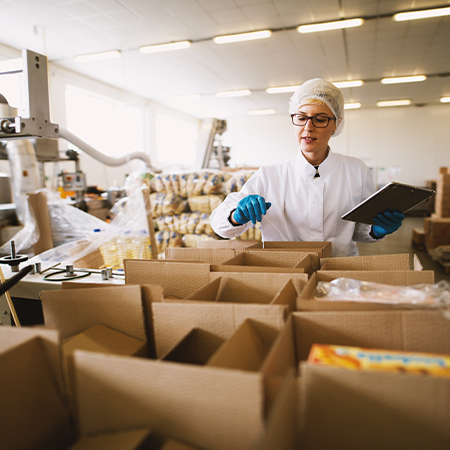
With the growth of e-commerce in particular, the ability of packaging to withstand logistics conditions has also become increasingly important. When a product is received directly at the consumer’s home rather than encountered on a retail shelf, the way the box opens, its appearance, and the presentation of the product become much more visible. As a result, operational requirements and user experience increasingly converge within the same design process.
The Place of Packaging in Brand Language
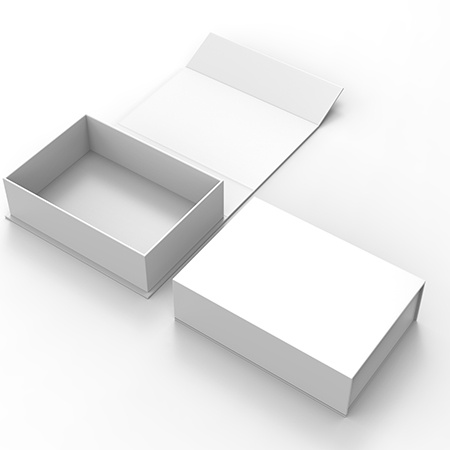
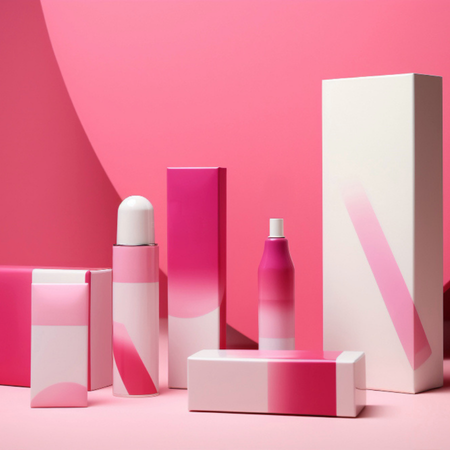
Another factor strengthening the role of cardboard packaging in the brand experience is visual communication. Color, typography, graphic composition, surface texture, and printing techniques can influence not only the aesthetic appearance of packaging but also how the brand itself is perceived.
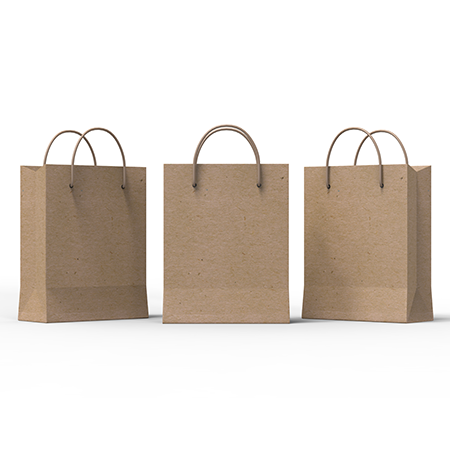
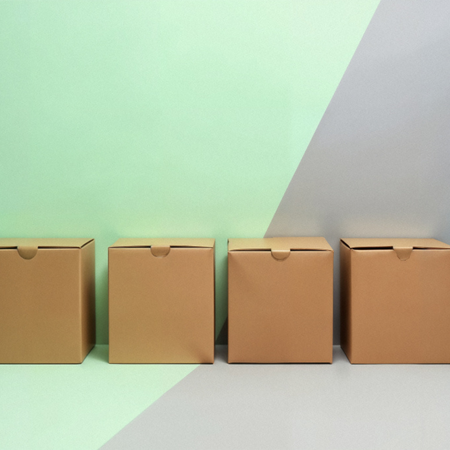
While a minimalist design can create a sense of simplicity and order, the use of bold or dense graphics may convey a more energetic or youthful identity. Preserving the natural appearance of the material, meanwhile, can evoke concepts such as sustainability and authenticity. For this reason, packaging design has become one of the physical extensions of a brand’s identity.
A New Touchpoint in Experience Design
The evolving role of cardboard packaging is also connected to the fact that the consumer’s relationship with a product does not end at the moment of purchase. The act of opening the package, seeing the product for the first time, and the possibility of reusing the box all create touchpoints where interaction with the brand continues.
This approach transforms packaging design from a purely technical process focused on shaping the environment around a product. When material selection, structural design, visual communication, and user behavior are considered together, cardboard packaging can continue to fulfill its protective function while also becoming a physical interface that carries the brand’s experiential world.
At LuxBoxPack, we provide packaging solutions tailored to the evolving needs of our clients in different sectors. Contact us at +90 212 438 82 15 to get detailed information about our product range.