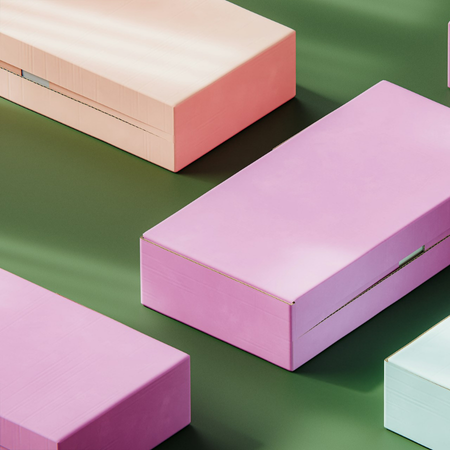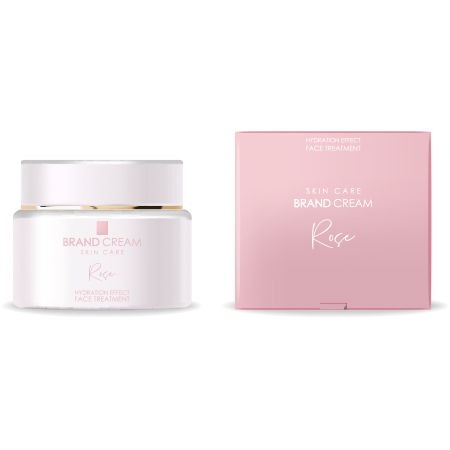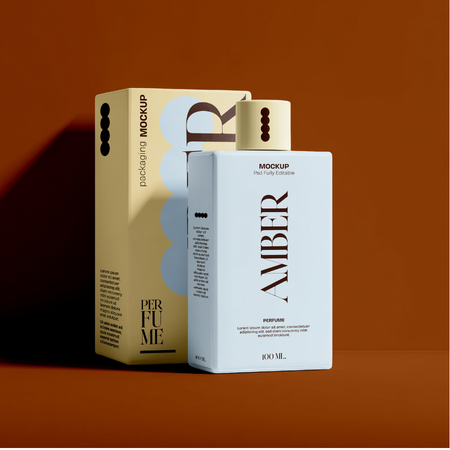
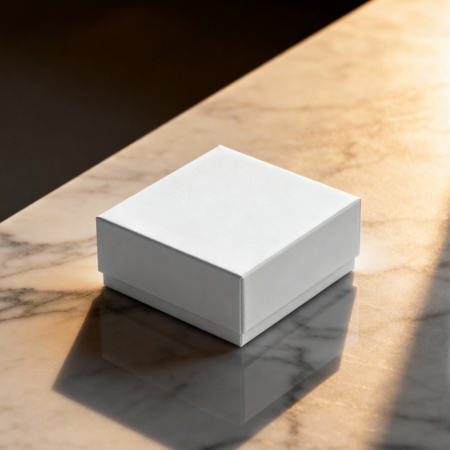
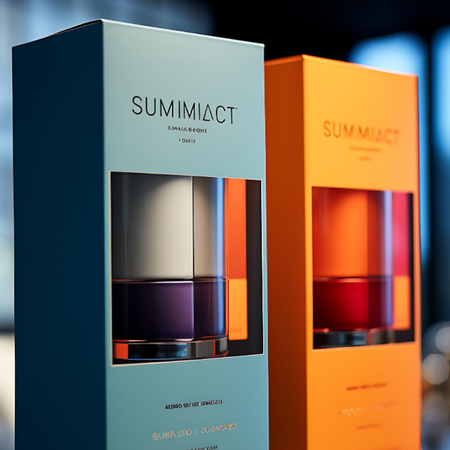
The actual value of a product and the value perceived by consumers are not always the same. In many cases, purchasing decisions are shaped by sensory impressions long before technical specifications, content, or price-performance balance come into consideration. At this point, packaging design ceases to be merely a protective element and becomes a tool for psychological experience. In particular, the physical feel of packaging, its weight, and the impression it leaves in the hand can directly influence consumers’ perception of a product’s quality.
The human mind tends to establish a strong connection between weight and value. This phenomenon, known in psychology literature as the “weight heuristic,” causes heavier objects to be perceived as higher quality, more durable, and more premium. This perception is evident not only in luxury consumer goods but also across many industries, ranging from cosmetics and electronics to food and beverages. For example, a beverage presented in a glass bottle is often perceived as higher quality than a similar product packaged in plastic, not only because of its visual appearance but also due to its physical feel.
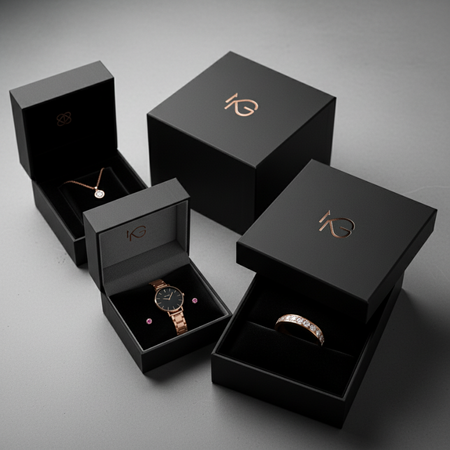
In this context, the weight of packaging does not simply refer to its actual mass. Factors such as the density of the cardboard used, the sound of the lid closing, the surface texture, and the sense of resistance the box creates when held all generate strong associations in the consumer’s mind regarding the product’s value. Thicker cardboard, matte surfaces, or metallic details evoke a sense of “carefully crafted quality,” whereas excessively light and thin materials are often associated with lower quality.
This becomes especially critical during the moment of first contact. The instant consumers pick a product up from the shelf, they begin forming a rapid quality assessment through the packaging before even experiencing the product itself. Most of this evaluation occurs subconsciously. The human brain is naturally inclined to associate physical experiences with abstract concepts. What feels heavy is coded as “important,” what feels solid as “reliable,” and what feels balanced as “well-designed.”
However, there is an important balance that must be maintained here. Packaging that feels heavier does not always translate into a better user experience. As sustainability-driven thinking continues to gain strength, consumers have become increasingly conscious of unnecessary material usage. For this reason, modern packaging design seeks to establish an intelligent balance between a “premium feel” and “functional lightness.” The goal is not merely to increase physical weight, but to optimize perceived quality through the right materials, the right structure, and the right tactile experience.
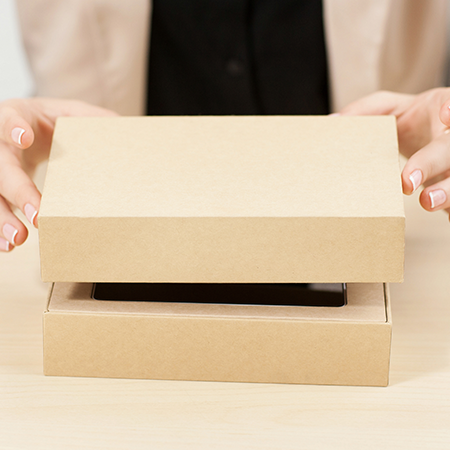
Particularly with the rise of e-commerce, the physical experience of packaging has gained an entirely new dimension. Consumers now often experience a product not on a store shelf, but at the moment they open the delivery box. As a result, the feel of the box in the hand, the resistance of the lid as it opens, the organization of the interior layout, and the tactile quality of the materials used have all become integral parts of the unboxing experience. The fact that physical touch remains this important even in digital shopping demonstrates just how powerful the sensory impact of packaging truly is.
In summary, packaging design is not merely an aesthetic matter, but also a significant component of perception management. The weight of a product -or the way it conveys a sense of weight- can directly shape consumers’ perceptions of quality, trust, and value. For this reason, successful packaging solutions focus not only on visual appeal, but also on designing experiences that leave the “right feeling” in the consumer’s hands.
At LuxBoxPack, we provide packaging solutions tailored to the evolving needs of our clients in different sectors. Contact us at +90 212 438 82 15 to get detailed information about our product range.