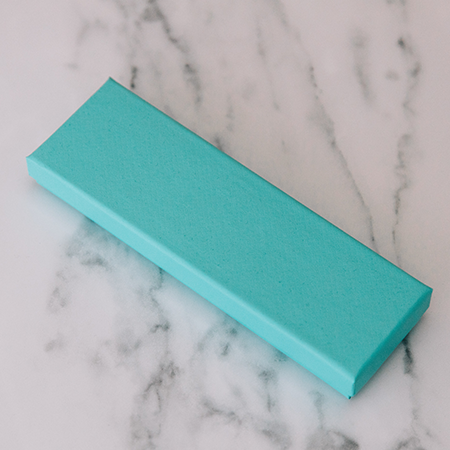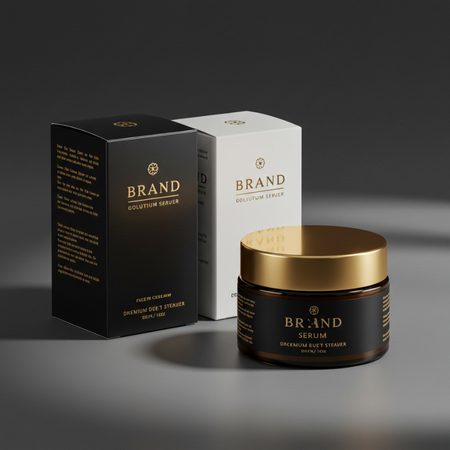
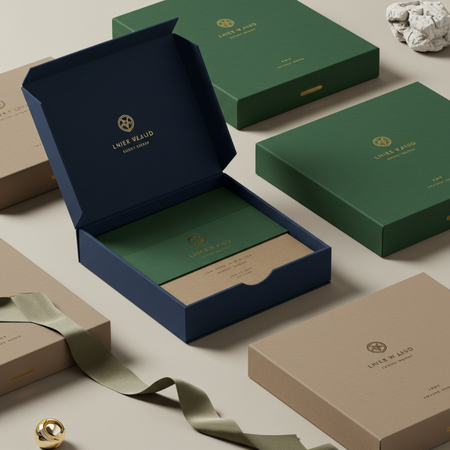

In packaging design, the fusion of aesthetics and functionality elevates the perceived value of a product in the eyes of consumers. One technique frequently used to enhance perceived quality and add value to packaging is the application of varnish. Especially favored in luxury and premium product categories, this coating method directly influences both the appearance and durability of the packaging. But what exactly is varnish application, which types of packaging are suitable for it, and what benefits does it bring?
What Is Varnish Application?
Varnish refers to a glossy, matte, or textured coating applied to the surface of packaging. It is typically used after offset printing and provides both visual richness and protection against external elements. Varnish comes in various types, including UV varnish, dispersion varnish, and water-based varnish - each offering different finishes and tactile qualities. UV varnish delivers the glossiest and most striking results, while matte varnish creates a more understated and sophisticated look. Spot UV, or selective varnish, is applied only to specific areas, creating contrast and focal emphasis.
Which Packaging Types Are Suitable for Varnish Application?
Not all packaging surfaces are suitable for varnish application, making material selection a critical factor. Generally, the following packaging types are considered ideal for this process:
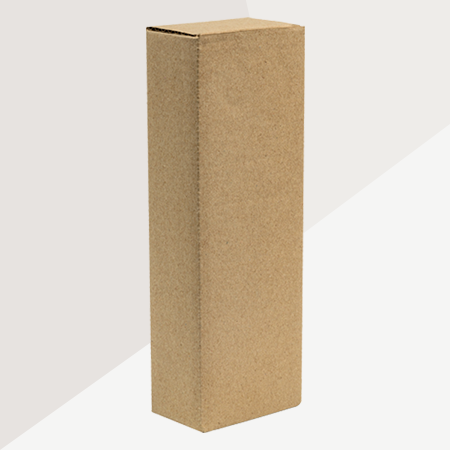
Paperboard Packaging: One of the most suitable surfaces for varnish. Widely used in cosmetic, food, and pharmaceutical box packaging.
Bristol and Coated Papers: These high-quality print surfaces allow for an even and consistent distribution of varnish.
Rigid Cardboard Boxes: Often used in structured packaging to enhance both aesthetics and durability.
Labels and Sticker Materials: Localized applications like spot UV can highlight brand logos or product names effectively.
What Does Varnish Add to Packaging?
Varnish application offers not only visual enhancement but also functional advantages. These include:
Protection: It makes the surface more resistant to moisture, dust, abrasion, and scratches.
Aesthetics: Glossy or matte effects support brand image and provide a premium appearance.
Emphasis: Selective varnishing highlights specific design elements such as logos, product names, or patterns.
Durability: Extends the lifespan of the print, helping the packaging maintain its original appearance over time.
In summary, varnish application is a key complementary process in packaging design that enhances both functionality and visual appeal. However, to achieve optimal results, it must be considered in conjunction with the correct type of packaging and appropriate printing techniques. Factors such as the packaging’s purpose, target audience, and storage conditions should also be taken into account when determining the type and scope of varnish to be applied. This approach leads to packaging solutions that are both eye-catching and durable.
At LuxBoxPack, we provide packaging solutions tailored to the evolving needs of our clients in different sectors. Contact us at +90 212 438 82 15 to get detailed information about our product range.