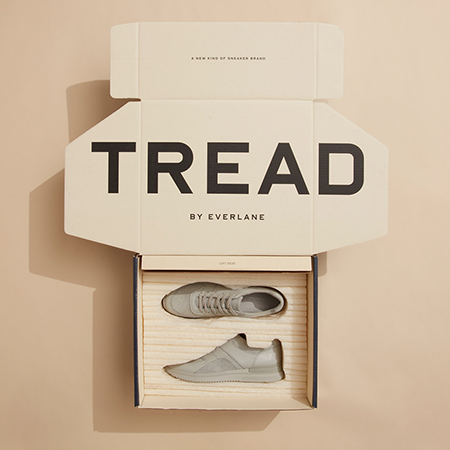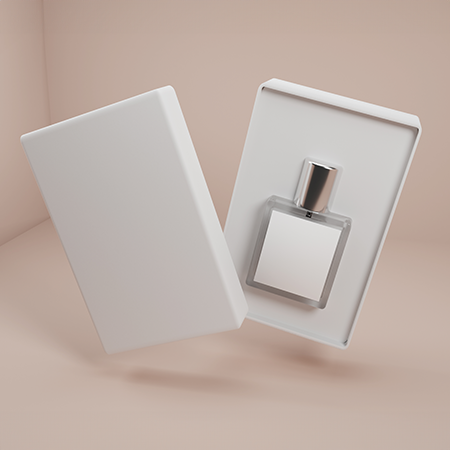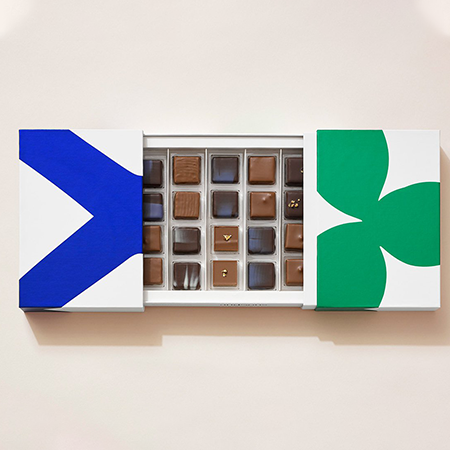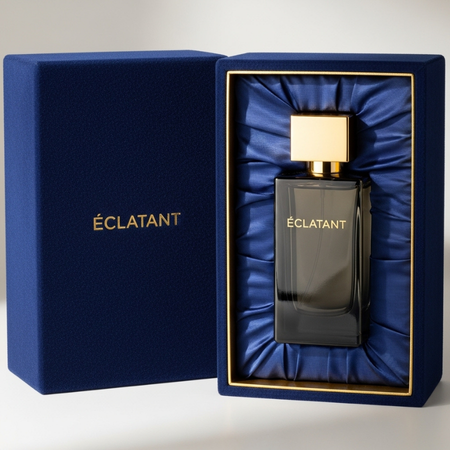
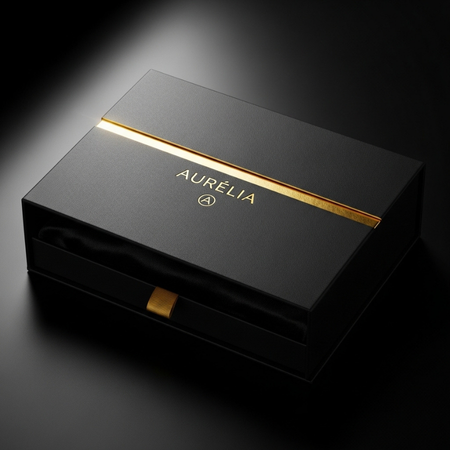

When it comes to packaging design, what usually comes to mind first are visual elements. However, beyond its visual identity, packaging also has a tactile identity. Surface texture, choice of material, and fine details shape the first physical impression a consumer gets when holding the product. This tactile experience plays a much more significant role in shaping brand perception than one might expect.
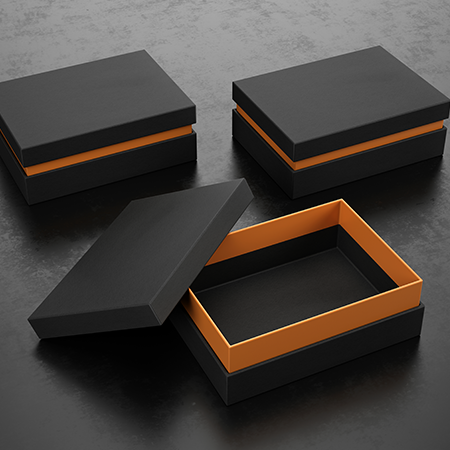
Tactile identity can be defined as the sensation a package creates at the consumer’s fingertips. Matte, glossy, rough, velvety, or embossed surfaces evoke different subconscious associations. For example, matte surfaces often convey a sophisticated and premium feel, while glossy finishes can create a more modern and energetic impression. Embossed patterns or special textures can strengthen the sense that the product involves craftsmanship or extra care.
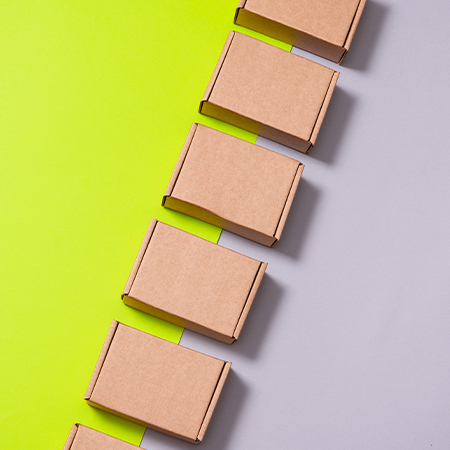
At this point, material selection is a critical factor. Cardboard, plastic, metal, or glass packaging each offers a distinct weight, durability, and tactile feel. When consumers touch the surface of the packaging, they unconsciously form judgments about the product’s quality, reliability, and price. In fact, research shows that tactile experience is one of the most influential factors in purchasing decisions after visual design.
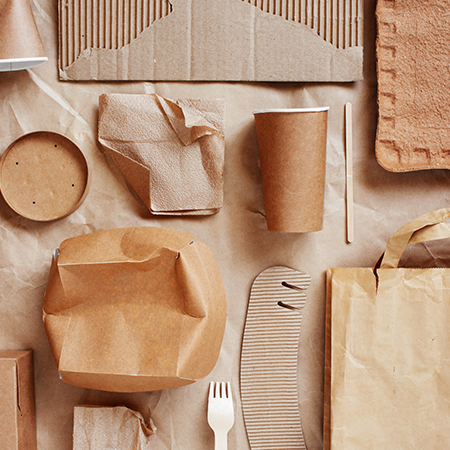
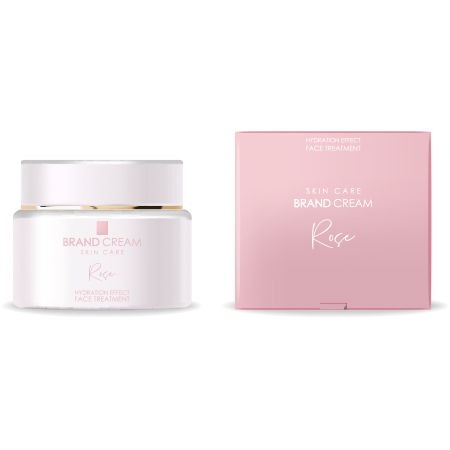
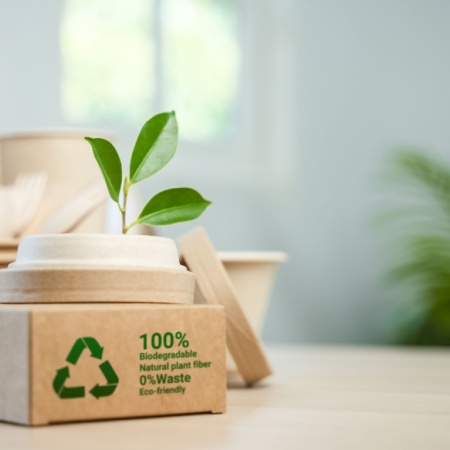
Moreover, the exterior surface of the packaging should align with the product’s intended use. For instance, smooth, clean-feeling surfaces are preferred for health and hygiene products, while recycled and slightly rough textures can convey trust and naturalness in organic and eco-friendly products.
Tactile identity also enhances brand memorability. Recognizing a product not only with the eyes but also with the hands is, from the consumer’s perspective, a significant step toward creating a physical connection. This connection can trigger a subconscious sense of familiarity during repeat purchases.
In summary, a package’s exterior is not merely an aesthetic detail; it is a silent communication tool that builds a bridge between brand and consumer. A well-designed tactile identity not only differentiates a product on the shelf but also leaves a lasting impression in both the mind and the hands of the consumer.
At LuxBoxPack, we provide packaging solutions tailored to the evolving needs of our clients in different sectors. Contact us at +90 212 438 82 15 to get detailed information about our product range.