

Gift-giving is one of the oldest and most universal practices in human history. The idea of offering an object to someone without expecting anything in return is not merely a gesture of kindness; it is a symbolic act that strengthens social bonds. From religious rituals to declarations of love, from peace treaties to birthday celebrations, gift-giving has taken many forms over the centuries - yet its core meaning has remained the same: to create a connection.
Gifts in Primitive Societies – Meaning Beyond Barter:
Anthropological studies reveal that even in primitive tribes, gift-giving was a prevalent tradition. The Kula rings of Papua New Guinea, where ornamental items circulate among islands, represent more than just an economic system - they symbolize social and cultural ties. In such systems, the gift is not merely an object; it is a tool that represents prestige, loyalty, and relationship. Therefore, gift-giving differs from barter: the expected return is not material but social.
Gifts in Ancient Civilizations – Instruments of Power and Faith:
The offerings made by Egyptian pharaohs to their gods, victory monuments in Ancient Greece, or diplomatic gifts exchanged between palaces in Imperial China illustrate how the concept of gifting became institutionalized. In these eras, gifts transformed into symbols of power, loyalty, and gratitude. Especially in religious contexts, gifts were seen as tangible expressions of reverence toward divine power.
The Middle Ages and the Class Codes of Gift-Giving:
In feudal societies, gift-giving also served as a tool for reproducing social hierarchy. The exchange of gifts among nobles was not just a show of generosity but also functioned as oaths of loyalty and elements of political balance. Among the common folk, holidays, weddings, and harvest celebrations kept the practice of gift-giving alive during the same period.
The Modern Era – Individualization and Commercialization:
With the industrial revolution came increased production, transforming gift-giving practices. Gifts were no longer reserved for special occasions alone but became mass customs observed at specific times of the year, such as New Year’s, Valentine’s Day, or Mother’s Day. This shift shows that the need to express emotions through objects has acquired both emotional and economic dimensions.
A Transcultural Practice – Why Does It Exist in Every Society?
Gift-giving finds its place in a wide range of contexts, from religious beliefs and political strategies to social solidarity and personal emotions. Each culture maintains this tradition in its own unique ways, shaped by its values and rituals. Yet one thing remains unchanged at its core: the human desire to form connections with others.
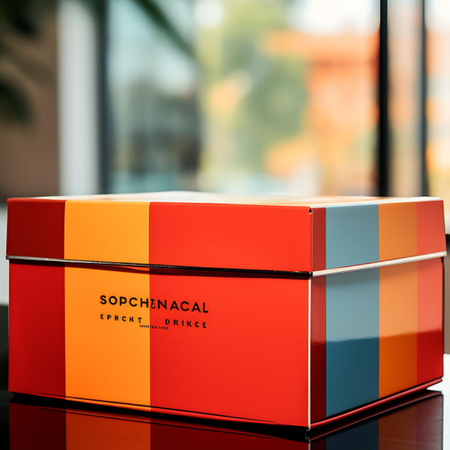
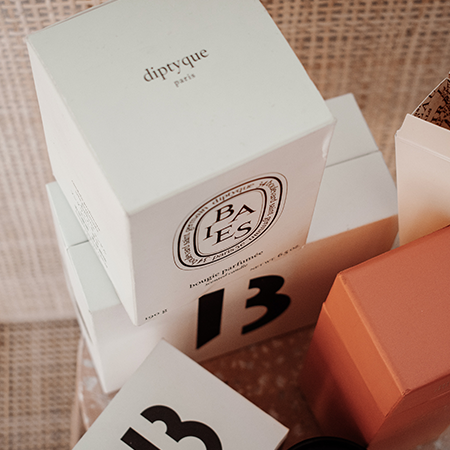
Today, a gift is more than just a material object - it is a symbol through which emotions, thoughts, and social norms are conveyed. For this reason, the packaging, presentation, and the way a gift is given have become just as meaningful as the gift itself.
At LuxBoxPack, we provide packaging solutions tailored to the evolving needs of our clients in different sectors. Contact us at +90 212 438 82 15 to get detailed information about our product range.