Today, packaging has become an essential part of modern life, used for protecting, transporting, and presenting products. However, the increasing use of packaging also brings environmental consequences. In particular, packaging waste poses a significant issue in terms of sustainability and waste management. In this article, we examine the environmental impacts of different types of packaging and how much waste they generate.
Plastic Packaging:
Plastic is one of the most commonly used packaging materials due to its lightness and durability. However, its recycling rate is low, and it can take centuries to decompose in nature. For example, a plastic water bottle or shopping bag may be used for only a few minutes yet persist in the environment for hundreds of years. Globally, only about 9% of plastic packaging waste is recycled.
Paper and Cardboard Packaging:
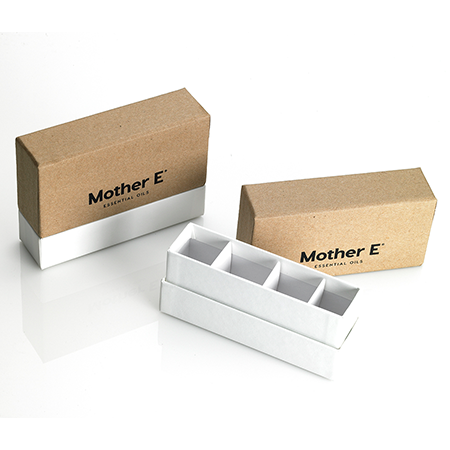
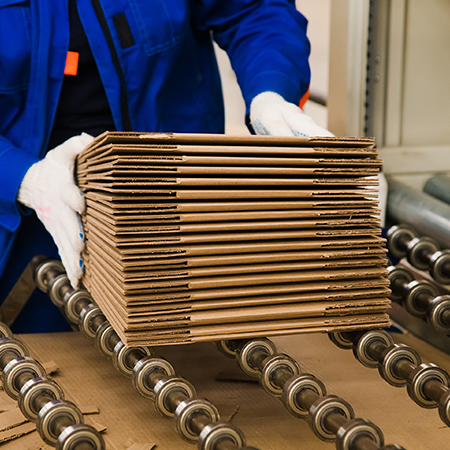
Paper and cardboard are biodegradable and have relatively high recycling rates. However, their production requires large amounts of water and energy. If not recycled, they can generate significant volumes of waste. Paper packaging is often suitable for short-term use, but its environmental impact should not be underestimated when left out of recycling systems.
Glass Packaging:
Glass is fully recyclable and can be reused indefinitely without any loss in quality. However, due to its weight, transporting glass requires more energy, which increases its carbon footprint. When collected and recycled properly, the environmental impact of glass packaging can be significantly reduced.
Metal Packaging:
Metal packaging, such as food cans and aluminum beverage containers, is highly recyclable. Recycling aluminum, for instance, uses 95% less energy compared to producing new aluminum. However, if left in the environment, metal packaging can also contribute to long-term pollution.
In summary, the environmental impact of packaging types depends not only on the material itself but also on usage duration, recycling participation, and consumption habits. Each type of packaging has its pros and cons. Therefore, when choosing packaging solutions, functionality should be balanced with environmental sustainability.
At LuxBoxPack, we provide packaging solutions tailored to the evolving needs of our clients in different sectors. Contact us at +90 212 438 82 15 to get detailed information about our product range.