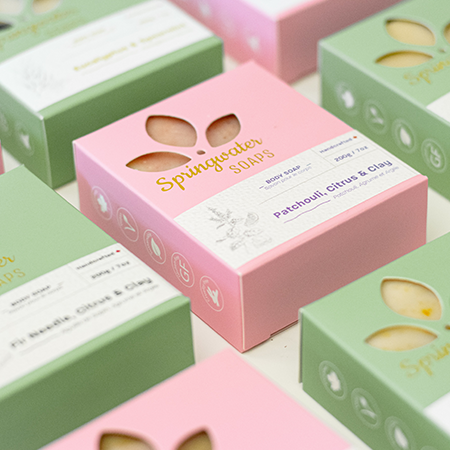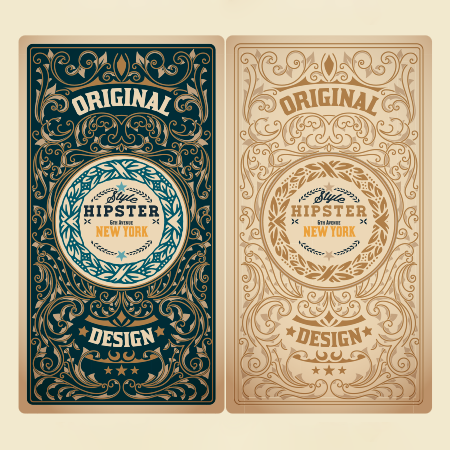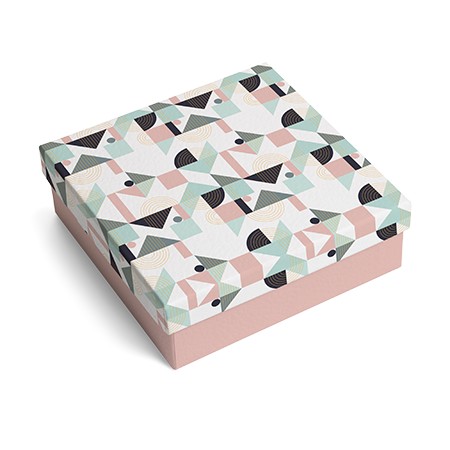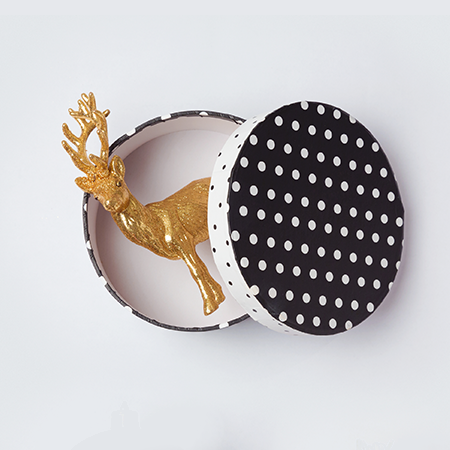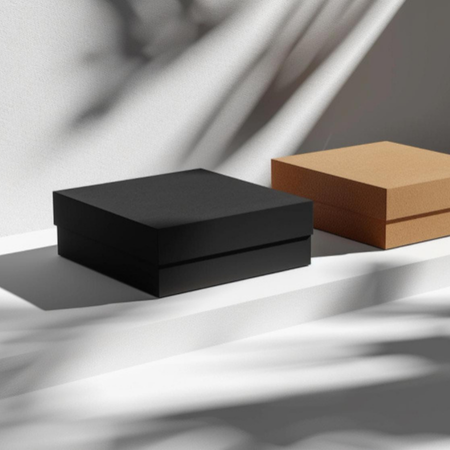
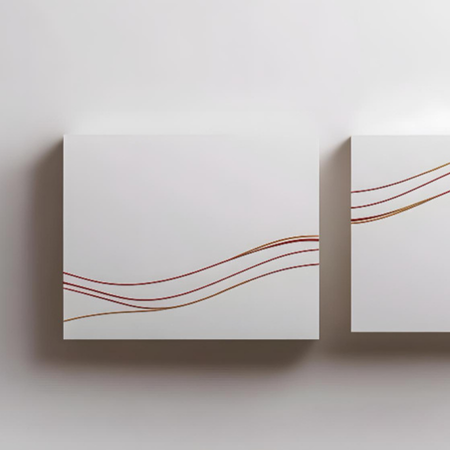
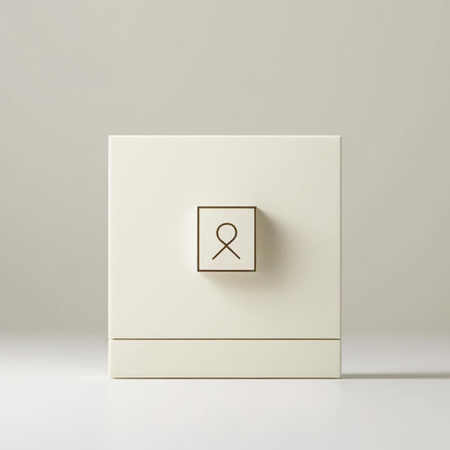
Minimalism has long been a dominant direction in the world of packaging. The idea of simplicity, clarity, and the removal of all unnecessary elements is frequently embraced by brands, both for aesthetic appeal and ease of use. Yet a more radical question has been gaining attention in recent discussions: Is it possible to design packaging entirely free of logos? Answering this goes beyond a visual preference; it requires a thorough evaluation of brand identity, consumer psychology, and market behavior.
At its core, a logo-free packaging approach is built on the idea of creating a “silent identity.” In such designs, what defines the product is not a graphic element or a typographic mark, but often the packaging’s form, color, or texture. Whether it is possible to create a recognizable identity without explicit brand elements has long been debated - especially among global brands. Nevertheless, certain sectors, particularly cosmetics, personal care, and premium food products, have seen a rise in designs that either eliminate the logo or push it significantly into the background.
One of the key motivations behind this approach is the desire to evoke a sense of “simplicity and transparency” in the consumer. When the logo recedes, the packaging offers an experience free from overt branding, presenting the product as more natural and understated. In many cases, the consumer’s attention shifts from the brand’s visual identity to the product’s inherent qualities, a significant advantage in categories where the content itself is the primary point of value.
However, logo-free packaging comes with a major challenge: brand recognizability. In today’s crowded marketplace, a product’s ability to stand out on the shelf still relies heavily on brand markers. For this reason, a completely logo-less approach can only become sustainable when supported by a strong visual language or a distinctive packaging form. Consistency in color palette, the use of unique textures, and even the geometry of the packaging can give a brand a personality capable of standing on its own without a visible logo.
Another essential factor is sustainability. Minimalist, logo-free packages often use less ink, fewer printing layers, and more natural surfaces. In this sense, they can represent an intersection of clean aesthetics and environmental awareness. Reducing printing on recyclable materials in particular helps minimize both production costs and environmental impact.
In short, logo-free packaging is certainly possible, but under specific conditions. A brand must cultivate a distinctive visual system, a strong material vocabulary, and a consistent sense of form. When executed properly, this approach, which pushes the boundaries of minimalism, has the potential to give brands a silent yet remarkably powerful identity.
At LuxBoxPack, we provide packaging solutions tailored to the evolving needs of our clients in different sectors. Contact us at +90 212 438 82 15 to get detailed information about our product range.