One of humanity’s oldest needs has been to transport, store, and protect food and goods. Packaging emerged as a solution to this need and has evolved over time into its modern form. But how did packaging first appear, and what stages did it go through?
The Earliest Forms of Packaging - Nature’s Offerings:
Early humans used natural materials to store and carry their food and belongings. Large leaves, animal skins, seashells, dried gourds, and clay pots can be considered the first types of packaging. These methods not only protected food from external factors but also made transportation easier.
The Rise of Clay and Glass Containers:
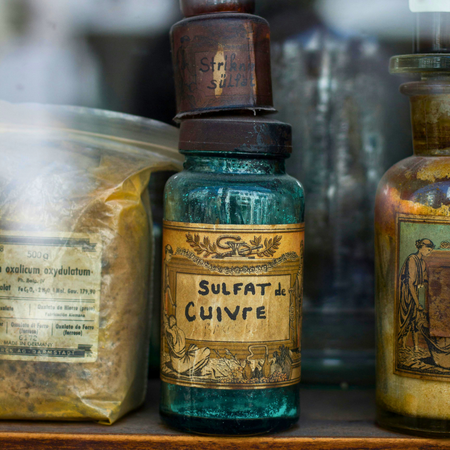
Around 3500 BCE, civilizations in Mesopotamia and Egypt began producing clay containers. Clay was ideal for packaging as it was water-resistant and moldable. Later, around 1500 BCE, Egyptians made significant advances in glass production, and the first glass bottles were introduced. The glass offered the advantage of preserving contents for extended periods.
Wood and Metal Packaging in the Middle Ages:
During the Middle Ages, the growth of trade increased the demand for packaging. Merchants began using wooden barrels and metal containers to transport spices, tea, and other valuable goods. These materials were particularly useful for long-distance transportation due to their durability.
The Emergence of Paper and Cardboard:
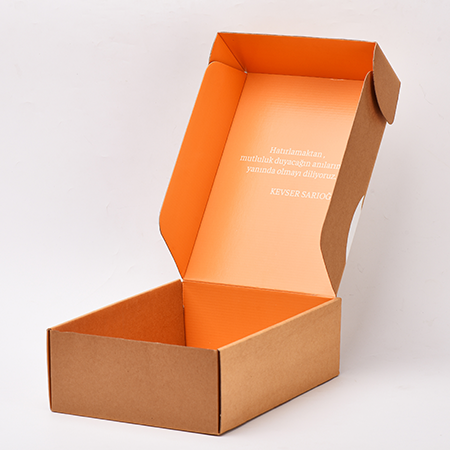
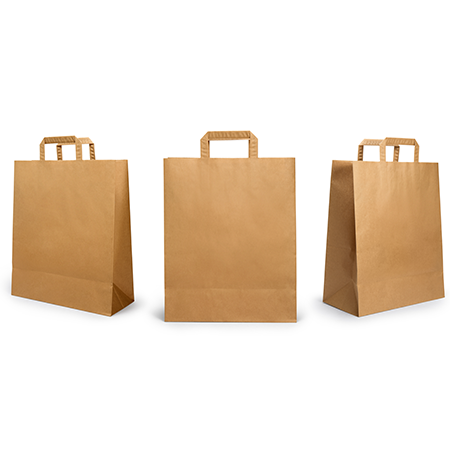
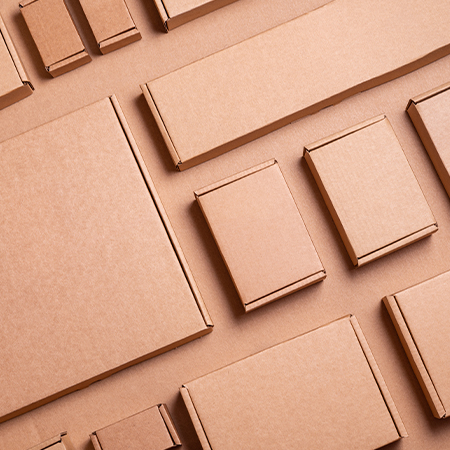
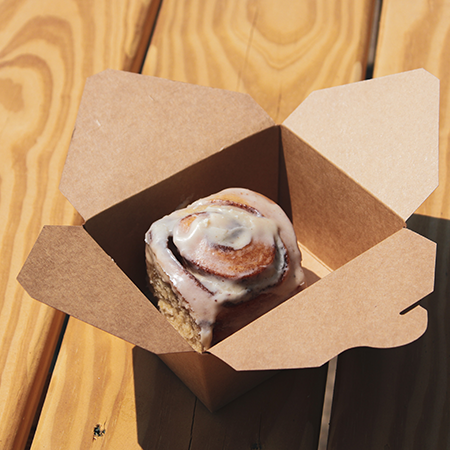
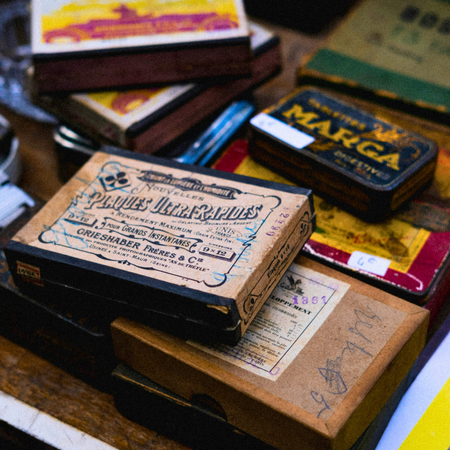
One of the most revolutionary developments in packaging history was the widespread use of paper and cardboard in the 19th century. The first commercial cardboard boxes were produced in England in 1817. In 1879, corrugated cardboard was invented, making it possible to create both lightweight and durable packaging solutions.
The Industrial Revolution and Mass Production of Packaging:
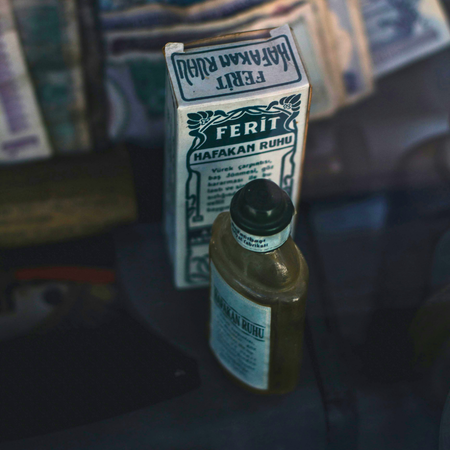
With the Industrial Revolution, mass production techniques advanced, leading to a major transformation in the packaging sector. Tin-plated cans made food preservation safer, while aluminum foil and plastic materials became widespread in the early 20th century.
The Modern Era - Plastic and Sustainable Packaging:
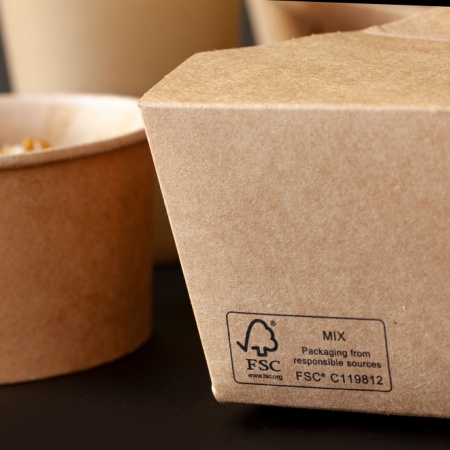
The mid-20th century saw the rise of plastic packaging, bringing a major shift in packaging processes. Plastic became widely adopted due to its lightweight, durability, and cost-effectiveness. However, due to environmental concerns, sustainable packaging solutions have gained prominence in recent years. Recyclable materials, biodegradable packaging, and innovative designs are shaping the future of the industry.
In summary, packaging has continuously evolved to meet human needs. What started with natural materials progressed to glass, metal, paper, and plastic, eventually leading to today’s advanced packaging solutions. The packaging industry is now undergoing a transformation toward environmentally friendly alternatives, combining technology with sustainability to shape its future.
At LuxBoxPack, we provide packaging solutions tailored to the evolving needs of our clients in different sectors. Contact us at +90 212 438 82 15 to get detailed information about our product range.