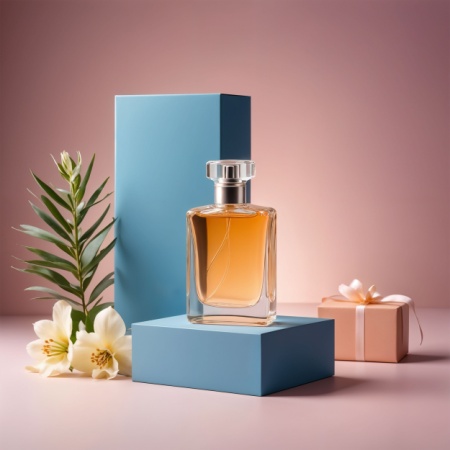
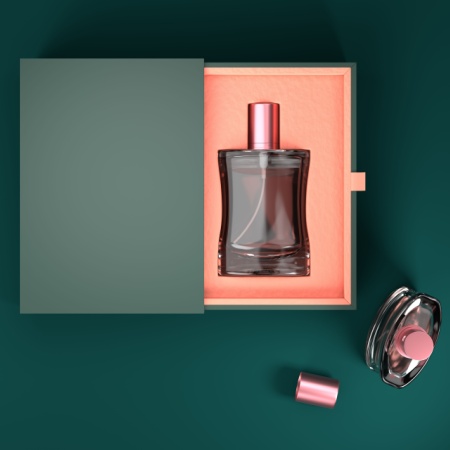
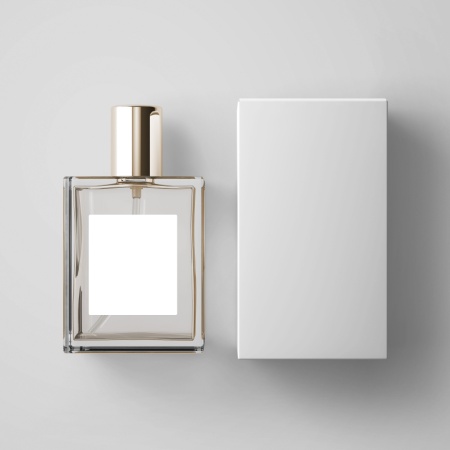
Perfume is a declaration of identity; it presents an emotion, a perspective, or a philosophy distilled into essential oils. Yet, the first point of contact with this essence -its packaging- carries a message about the product's quality and the brand's prestige that is at least as powerful as the content itself. For brands in the premium segment, packaging is not merely a protective casing, but an integral part of marketing, brand identity, and the sensory experience. In this article, we will examine the fundamental elements that distinguish high-end perfume packaging from ordinary products and are considered essential in their design processes.
Material Selection: Driving the Sensory Experience
The cornerstone of luxury packaging is the quality and texture of the materials used. Premium brands spare no expense, opting for the highest standards of materials.
The Bottle: Heavy, thick-based, and flawless glass conveys a sense of stability and elegance. The transparency and clarity of the glass highlight the perfume's color and purity.
The Cap: Materials such as metal alloys, weighted plastics, or treated wood are employed. The weight of the cap and its distinct "click" sound enrich the tactile experience of the product and underscore its quality. Magnetic caps are also a popular choice that enhances this luxurious sensation.
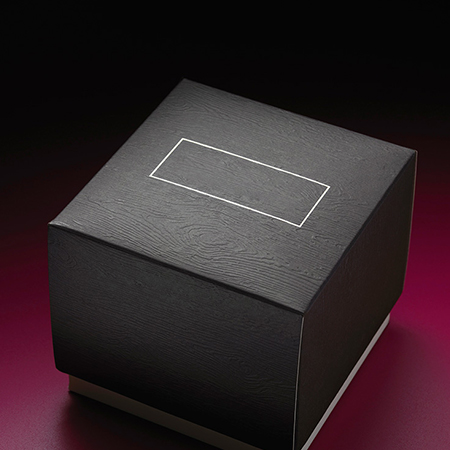
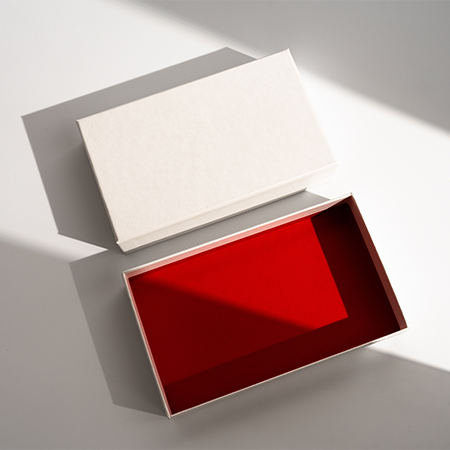
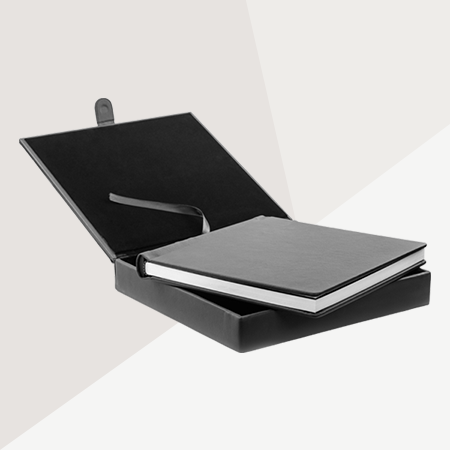
The Outer Box: High-grammage, specially textured, matte, or glossy finished paper and cardboard are utilized. The box may include velvet interior linings or custom-cut foam supports to make the unboxing ritual feel special.
Minimalism and Iconic Silhouettes in Design
The premium segment generally adopts timeless and distinct designs, steering clear of excessive ornamentation. The bottle's form must create an iconic silhouette that reflects the brand's DNA.
Simplicity: Clean lines and geometric forms are preferred over complex decorations. This simplicity ensures that the focus remains on the product itself.
Brand Icon: Many renowned perfumes possess instantly recognizable bottle forms that have remained unchanged for years. That symbolizes the brand's heritage and permanence.
Ergonomics: Attention is paid to details that improve the user experience, such as ensuring the bottle fits perfectly in the hand and the cap opens and closes easily.
Impeccable Craftsmanship and Quality Hidden in the Details
Every process executed on the packaging must reflect the brand's commitment to perfection. Imperfections in craftsmanship can instantly damage the perception of luxury.
Printing Techniques: The brand name and logo are typically applied using methods such as embossing (relief), hot foil stamping, or high-precision silk-screening. The use of gold, silver, or metallic colors provides a rich luster under light.
Labeling: Instead of traditional labels, inscriptions are more often etched directly onto the glass with acid or applied using permanent printing techniques. That eliminates the risk of the label peeling or deteriorating.
Collection and Limited Editions: For special series, extra craftsmanship elements come into play, such as crystal cuts, handmade details, or embellishments resembling precious stones.
Color Palette and Perception Management
The packaging's color choice should support the perfume's olfactive profile and the target audience's perception.
Black and Gold: Reinforces the perception of absolute luxury, elegance, and evening use.
Transparent and Light Tones: Represent fresh, light, and daytime fragrances.
Dark-Colored Glass: Implies the richness and depth of rare, oriental, or woody notes.
In short, premium perfume packaging goes beyond merely protecting a product; it is the silent ambassador that whispers the brand's story and offers the consumer a special ritual. The combination of design, quality, and sensory details elevates these products to the pinnacle of packaging art.
At LuxBoxPack, we provide packaging solutions tailored to the evolving needs of our clients in different sectors. Contact us at +90 212 438 82 15 to get detailed information about our product range.