
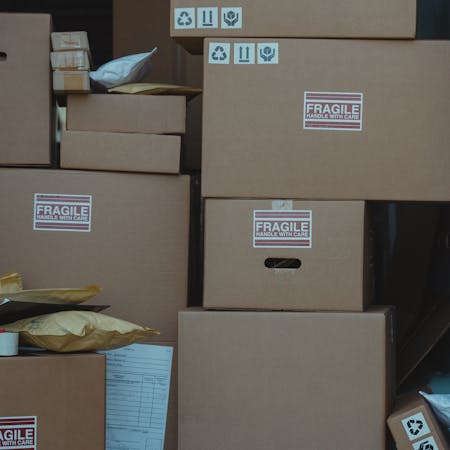
Packaging is a strategic element that not only protects the product against external factors but also plays an active role in many logistics processes, from production to distribution, from storage to the final consumer. In this context, it is not only the material but also the form of the packaging that holds critical importance for the efficiency of the supply chain. Especially today, as speed, cost, and sustainability define logistics-related decisions, the influence of packaging form within this equation has become impossible to overlook.
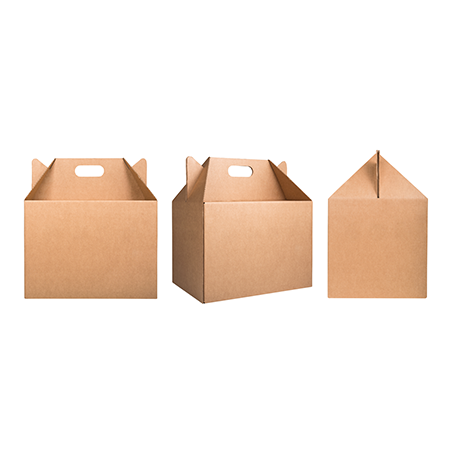
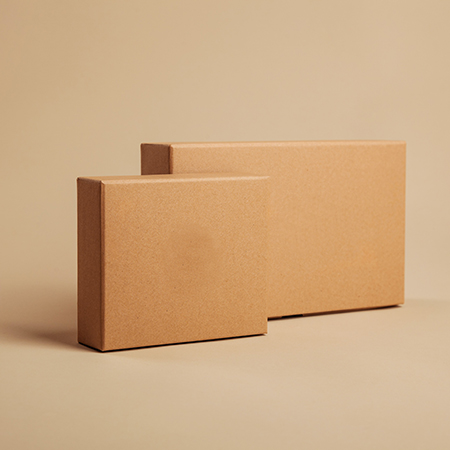
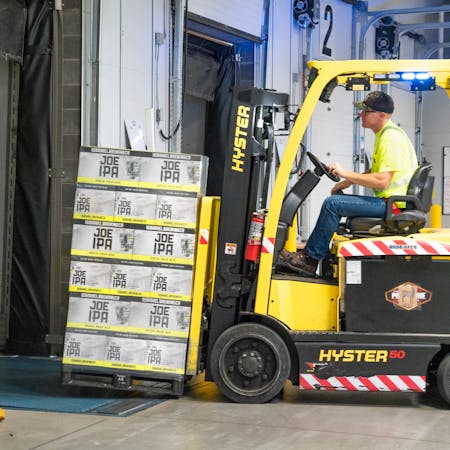
One of the most direct effects of packaging form on logistics is volume efficiency, i.e., the amount of transport and storage space required per unit of product. Packaging with angular, regular geometric forms (such as rectangular prisms or cube-shaped boxes) is more advantageous in terms of palletizing and container loading. These types of packages minimize void loss and allow more products to fit within the same volume. That leads to reduced transportation costs, lower carbon emissions, and increased overall operational efficiency.
Alternatively, amorphous or cylindrical forms, often preferred for aesthetic reasons or due to the nature of the product, may cause inefficiencies in shelving and transportation systems. Such packaging requires special placement techniques and may increase the risk of tipping over or leaving unused space during transport. These factors may necessitate additional safety measures and incur extra costs.
Packaging form is also a key factor in compatibility with automation systems. The machinery used in packaging, labeling, and sorting lines is typically designed around standard geometries. Therefore, as the level of automation in the logistics process increases, the packaging form must comply more closely with these standards. Compatible forms enhance production continuity, whereas incompatible ones may require machine modifications or manual intervention.
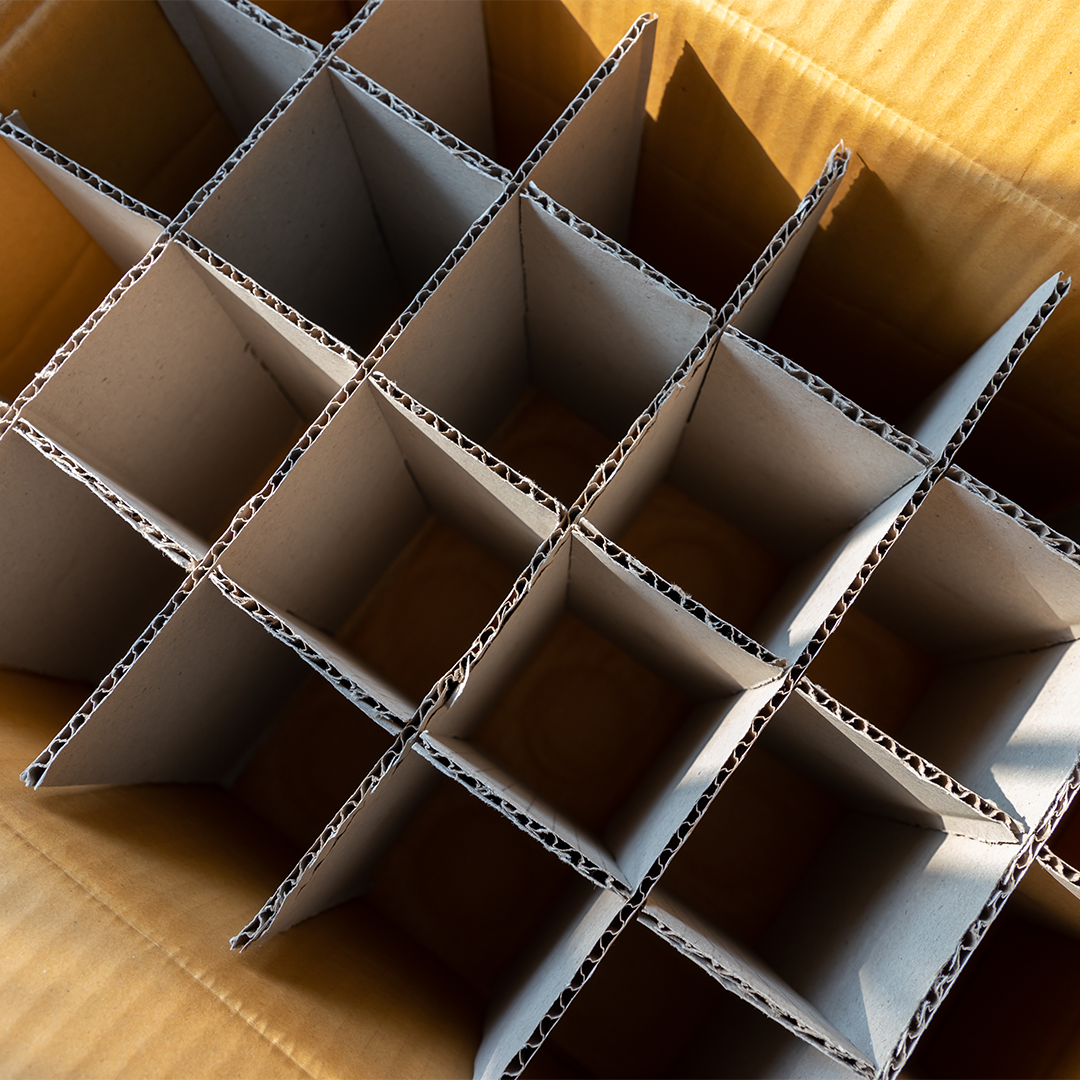
Another crucial aspect is durability and the protective function of the package. The functionality of the packaging form is directly related to its resistance to impact and pressure during transportation. For example, angular packages may be more prone to crushing unless extra reinforcement is applied to their edges. Such issues can lead to product loss, especially during stacking. Ensuring that the packaging form aligns with the physical characteristics of the product not only improves protection but also reduces return and damage rates.
Finally, the packaging form has implications for recycling and sustainability. Simpler, modular forms made from single materials make sorting and recovery processes more efficient. That not only lessens environmental impact but also supports brands in achieving their sustainability goals. When such forms are prioritized in logistics planning, they can evolve into a long-term model of environmental responsibility within the system.
In summary, packaging form is more than just an aesthetic choice - it is a structural decision that impacts every stage of the logistics process. The correct form creates value not only in transportation and storage, but also in cost optimization, environmental impact reduction, and operational continuity. Therefore, in packaging design, formal choices must be based not only on visual appeal but also on the realities of logistics.
At LuxBoxPack, we provide packaging solutions tailored to the evolving needs of our clients in different sectors. Contact us at +90 212 438 82 15 to get detailed information about our product range.