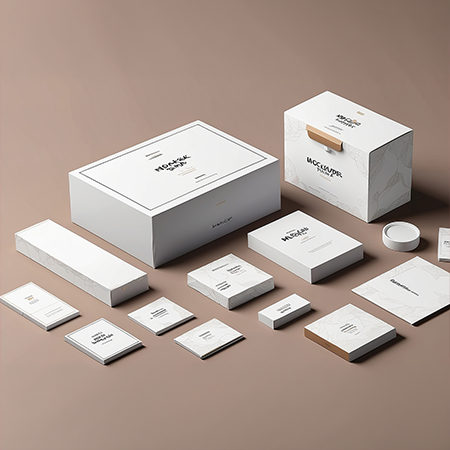
As a brand’s product portfolio expands, the range of choices presented to consumers also becomes more diverse. Different product groups, sub-brands, or variants may be positioned under the same umbrella, while each is expected to have a distinct character of its own. However, this diversity does not mean losing touch with the brand’s overarching identity. This is where brand architecture comes into play, positioning different products within a shared structure. Packaging, meanwhile, is one of the most immediately recognisable visual expressions of this structure.
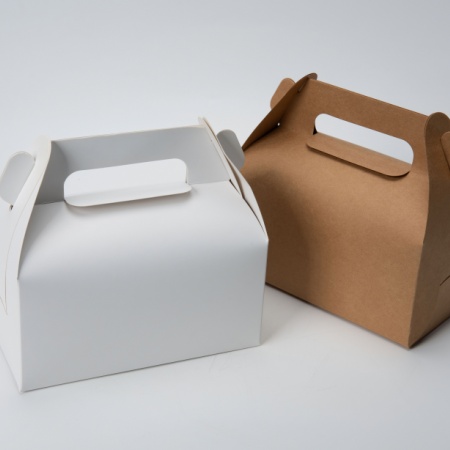
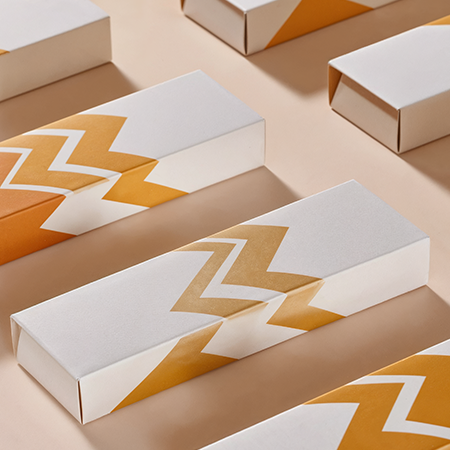
The central challenge in translating brand architecture into packaging is finding the right balance between consistency and differentiation. Elements such as logo usage, typography, colour palette, visual style, and information hierarchy can create a sense of cohesion across a product family. At the same time, colour coding, graphic elements, or secondary design components can be introduced to distinguish individual sub-products. This allows consumers to understand both which brand a product belongs to and where it sits within the wider portfolio more easily.
At this point, packaging design should not be treated as purely an aesthetic matter. Products displayed side by side on a shelf collectively make the brand’s architecture visible. If shared design codes become too dominant, products may begin to look too similar - if differences are emphasised excessively, the overall unity of the brand may be weakened. For this reason, design decisions should not be made by considering individual packages in isolation, but by evaluating the product family as a whole wherever possible.
Another way brand architecture translates into packaging is through information hierarchy. The order in which the brand name, product category, sub-brand, variant, and product attributes are perceived can influence how consumers interpret the product. Particularly within extensive product portfolios, where similar ingredients and formats are offered in different variants, the importance of a clear hierarchical system becomes even more pronounced.
This approach also takes on another dimension across digital sales channels. When product images are displayed side by side on small screens or within search results, shared visual codes need to make the brand family recognisable even at a glance and from a distance. Packaging architecture can therefore be designed not only around the physical shelf experience, but also with the conditions of digital visibility in mind.
In summary, the relationship between brand architecture and packaging design is a broader systemic consideration than the appearance of any single product. Consistent design codes preserve the coherence of the brand, while controlled differentiation allows sub-products to establish their own identities. In this way, packaging becomes more than a visual tool for distinguishing products from one another - it becomes a structure that brings them together within a shared brand language.
At LuxBoxPack, we provide packaging solutions tailored to the evolving needs of our clients in different sectors. Contact us at +90 212 438 82 15 to get detailed information about our product range.