Consumer expectations have evolved significantly in recent years. Today, a product's success is determined not only by its quality or price but also by the way it is presented. Particularly among consumers who have grown up in the digital age, packaging is viewed not merely as a protective element but also as a communication tool that reflects a brand's values. As a result, achieving a balanced relationship between aesthetic appeal, ethical responsibility, and user experience has become more important than ever in packaging design.
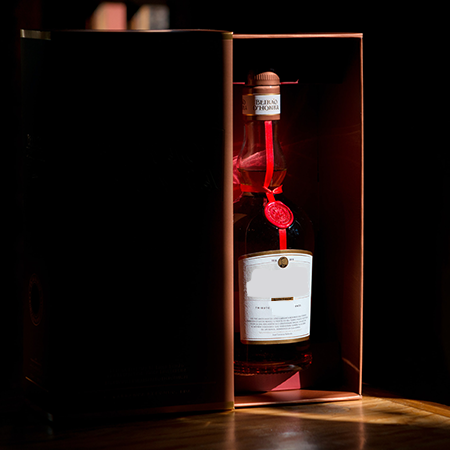
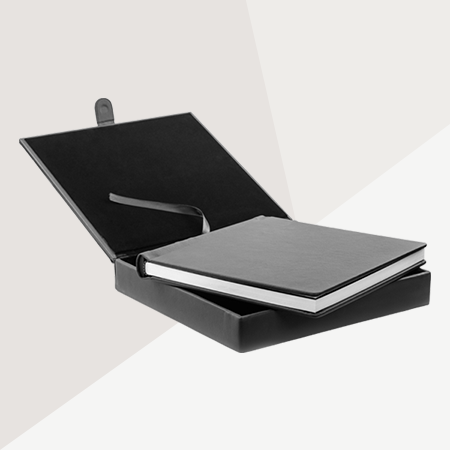
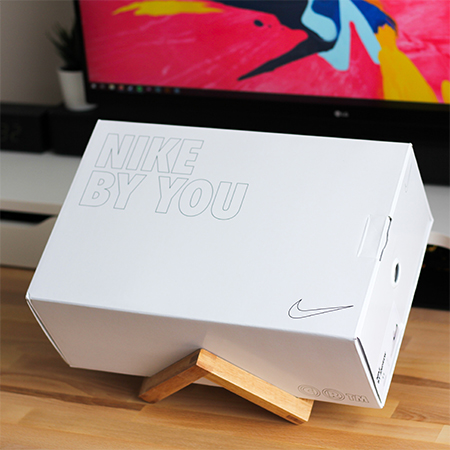
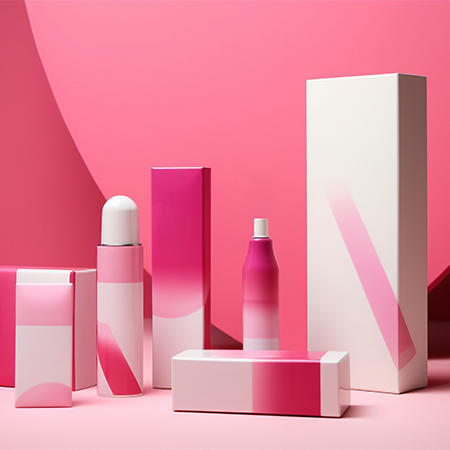
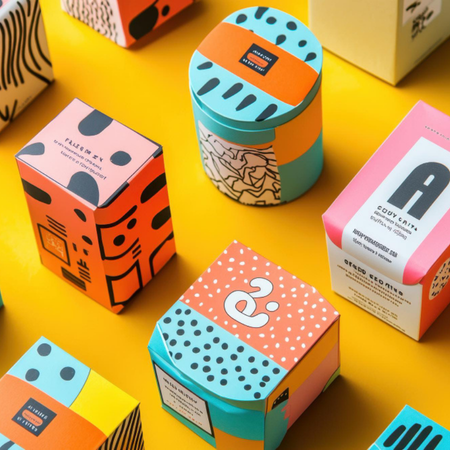
Aesthetics play a crucial role in creating a strong first impression. Color selection, typography, surface textures, and graphic composition all contribute to increasing a product's visibility on the shelf while reinforcing perceptions of quality. However, standing out today is no longer about incorporating more visual elements. Clean, functional, and consistent designs can be equally effective in building a strong brand identity. The next generation of consumers tends to appreciate packaging that is thoughtfully designed with a clear purpose rather than packaging overloaded with decorative details.
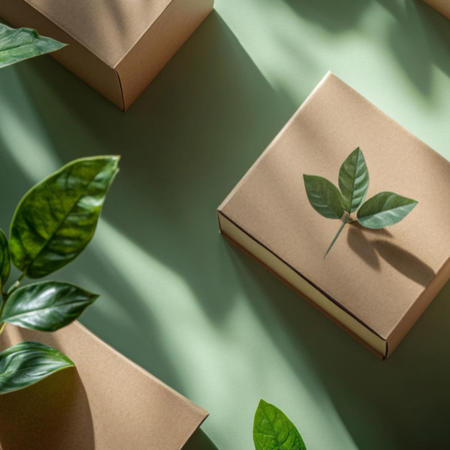
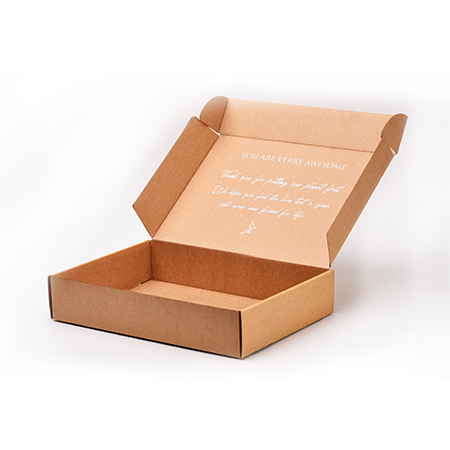
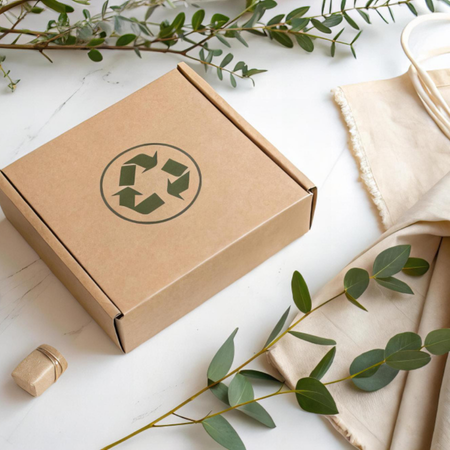
At the same time, aesthetics alone are no longer sufficient. Consumers are increasingly concerned about the environmental and social impact of production processes. Recyclable materials, reducing unnecessary plastic use, reusable packaging solutions, and sustainable sourcing have all become important factors influencing purchasing decisions. Equally important is ensuring that environmental claims displayed on packaging are transparent and verifiable, as this is essential for building consumer trust. Unsubstantiated sustainability claims, on the other hand, can quickly undermine a brand's credibility.
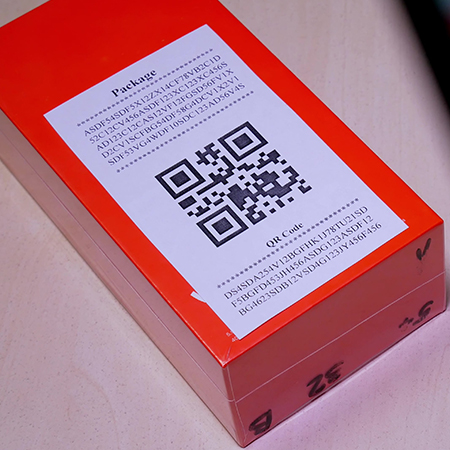
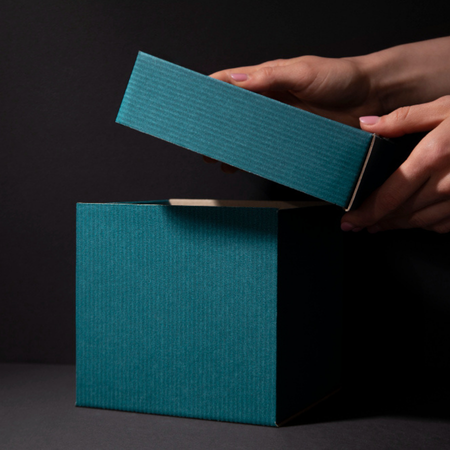
The experiential aspect of packaging encompasses every physical interaction consumers have with a product. Features such as easy-opening mechanisms, comfortable portability, resealable designs, and storage-friendly solutions all contribute to a more satisfying user experience. In addition, QR codes, augmented reality applications, and interactive elements that connect consumers to digital content are transforming packaging from a simple protective layer into an integral part of the overall product experience.
When these three elements are considered together, the broader role of packaging becomes increasingly evident. A visually appealing design that fails to demonstrate environmental responsibility may struggle to meet long-term consumer expectations. Likewise, packaging with strong sustainability credentials but a poor user experience may fall short of creating the desired impact. Today's most successful packaging strategies are built on achieving a sustainable balance between aesthetic value, ethical responsibility, and functional experience. This holistic approach not only helps brands respond to changing consumer expectations but also plays an important role in shaping the future standards of packaging design.
At LuxBoxPack, we provide packaging solutions tailored to the evolving needs of our clients in different sectors. Contact us at +90 212 438 82 15 to get detailed information about our product range.