
Today, environmental impact is not only an individual concern but, perhaps even more so, a corporate responsibility. Packaging, which poses a significant environmental burden in both production and distribution, has become a critical focus for brands aiming to reduce their carbon footprint. But is it genuinely possible to contribute to both nature and brand reputation through sustainable packaging choices?
Material Selection – The First and Most Crucial Step:
The starting point in the sustainability journey of any packaging lies in the materials used. Recyclable or biodegradable materials help minimize environmental impact. Materials such as glass, aluminum, and paper not only reduce resource consumption but also integrate more easily into recycling systems.
Minimal Design, Maximum Impact:
Excessive packaging leads not only to wasted resources but also to increased energy use and logistical costs during transport. Therefore, clean, functional packaging free of unnecessary components should be prioritized. Reduced material usage is one of the most effective ways to lower carbon emissions.
Local Sourcing and Logistics Optimization:
The carbon emissions generated during the transportation of packaging materials are often overlooked. However, working with local suppliers shortens transportation time and lowers the overall carbon footprint. Additionally, packaging that is stackable and lightweight contributes to more energy-efficient shipping.
Consumer Awareness and Labeling:
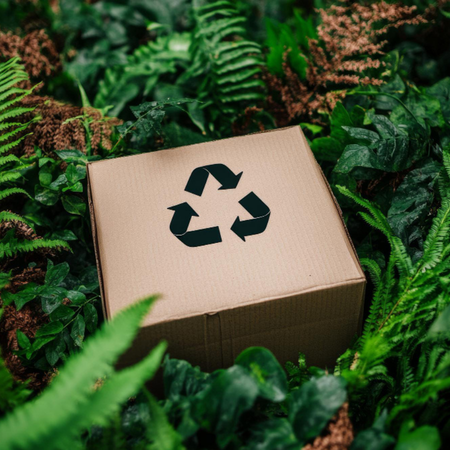
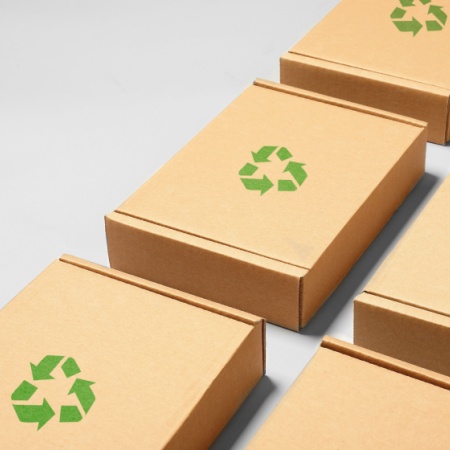
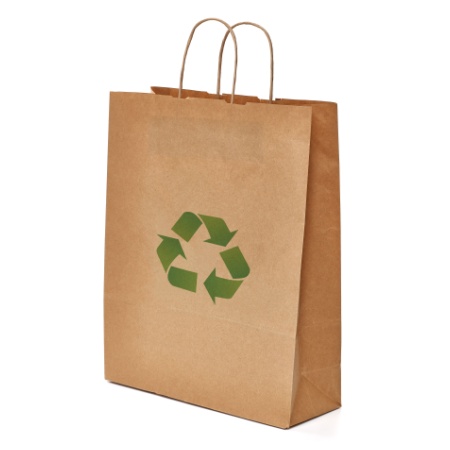
Recycling symbols on packaging facilitate consumer participation in waste separation. Informative labels show that a brand adheres to the principle of transparency, thereby increasing consumer trust. That, in turn, helps to spread awareness of sustainability more broadly.
Process Monitoring and Transparent Reporting:
Reducing a carbon footprint isn’t limited to initial actions. Ongoing data tracking, supply chain monitoring, and transparent reporting enable regular assessment of a packaging’s environmental impact. This process is critical for identifying areas for improvement.
In summary, embracing sustainability in packaging is no longer merely a choice - it is an ethical imperative. Through proper material selection, thoughtful design, strategic sourcing, and transparent communication, brands can not only reduce their carbon footprint but also become active participants in societal transformation.
At LuxBoxPack, we provide packaging solutions tailored to the evolving needs of our clients in different sectors. Contact us at +90 212 438 82 15 to get detailed information about our product range.