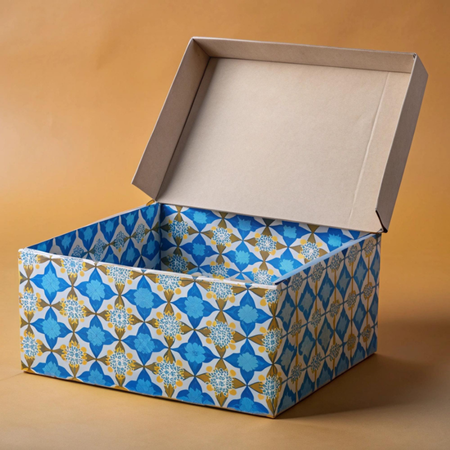
Today, packaging is far more than the outer layer that protects a product; it has become a carrier of cultural narrative and brand memory. In recent years, largely influenced by global brands, the “vintage” aesthetic has regained prominence in packaging design. At its core lie feelings of nostalgia, familiarity, and trust in the past. Yet the vintage trend is not merely an aesthetic choice; it represents a multilayered design approach that connects consumer psychology, material selection, and visual language.
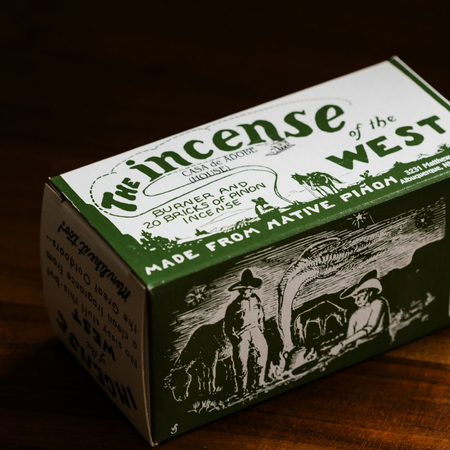
This design mindset, which brings traces of the past into the present, often draws inspiration from the graphic styles of the 1950s through the 1980s. Handwritten-style typography, slightly faded color tones, and simplified illustrations frequently appear in these designs. Such elements evoke a sense of a “trusted and familiar” product for consumers. That is precisely why vintage packaging is especially favored in food, personal care, and beverage industries: the design subtly suggests that a modern product is backed by a long-standing heritage.
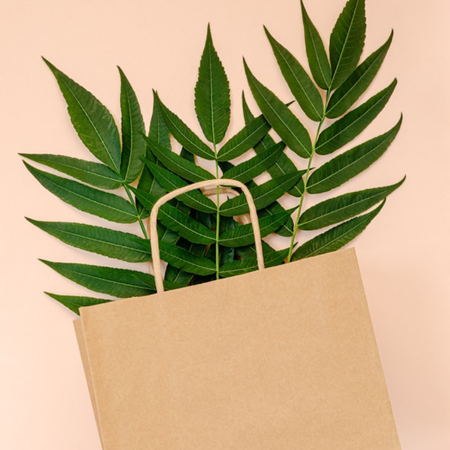
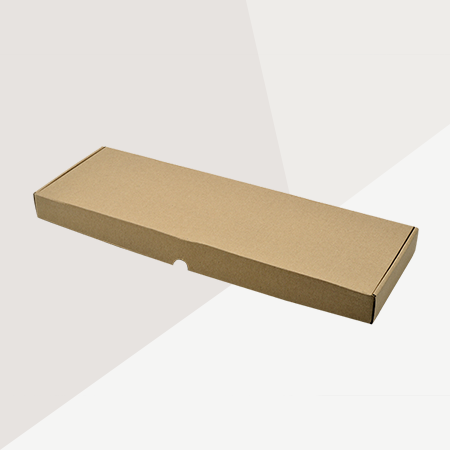
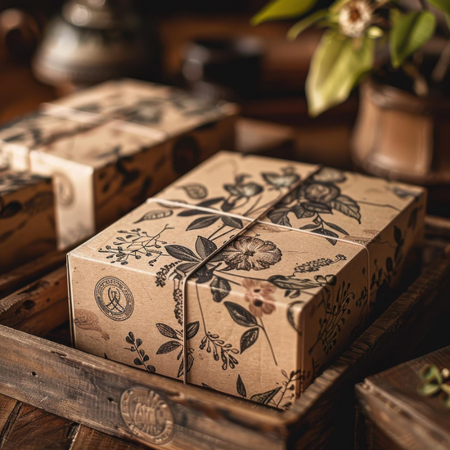
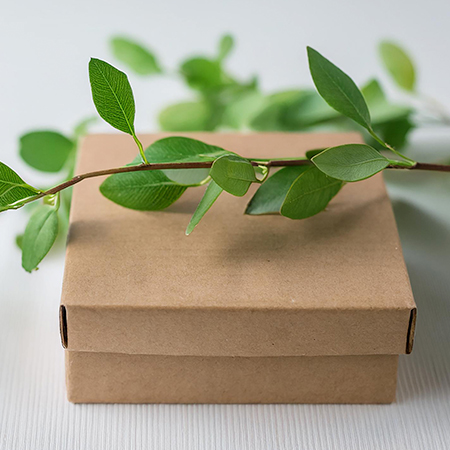
The vintage aesthetic is not limited to graphic elements; the textures of the materials used also reinforce the story. Matte papers, kraft textures, embossed prints, and metallic tin containers are key tools that bring the retro visual world to life. When paired with sustainability trends, these materials create a brand identity that is both eco-friendly and nostalgic. The rise of kraft-based packaging, in particular, reflects a tangible desire for naturalness and a meaningful connection to the past.
Another key influence of the vintage movement is the transformation it brings to brand storytelling. Today’s consumers care not only about what a product is, but also “where it comes from” and “what values it embodies.” For this reason, packaging that evokes past design eras gives brands an opportunity to communicate their roots, craftsmanship, or cultural heritage. Simplified color palettes and nostalgic symbols stand out as visual cues that enrich this narrative.
Of course, the vintage approach is not suitable for every brand; however, it is a powerful, expressive tool for those whose target audience seeks simplicity, trust, and authenticity. Moreover, because it is a timeless visual language, it is not easily swayed by trends. That extends the shelf life of the packaging and lends long-term aesthetic consistency to the brand.
In summary, the vintage breeze in packaging is more than an aesthetic preference: it is a strategic design approach where cultural memory, consumer psychology, and sustainability trends intersect. Inspiration drawn from the past, combined with the needs of the present, becomes a powerful communication tool that adds both character and depth to contemporary brands.
At LuxBoxPack, we provide packaging solutions tailored to the evolving needs of our clients in different sectors. Contact us at +90 212 438 82 15 to get detailed information about our product range.

1.jpg)