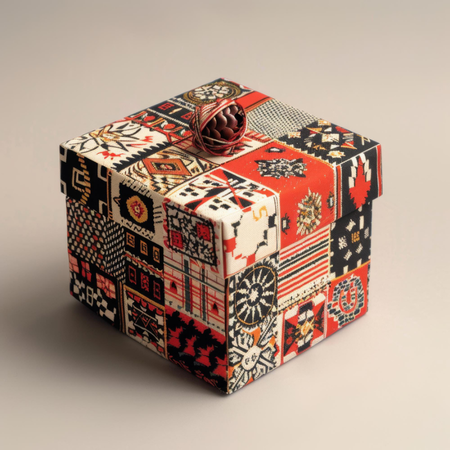
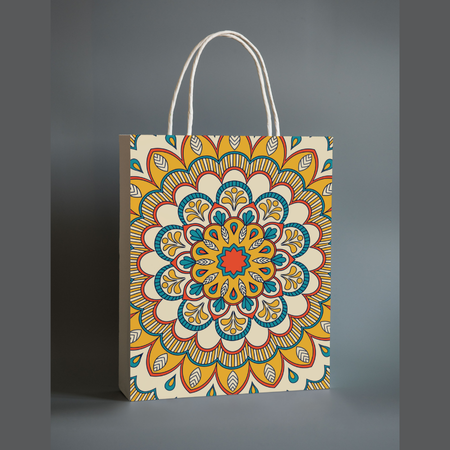
In the 21st century, as globalization accelerates, brands strive to differentiate themselves not only through product quality but also through the layers of meaning embedded in the experiences they offer. One of the most visible surfaces of these meaning layers is packaging design. Packaging is no longer merely a protective element; it has evolved into a significant communication tool that carries cultural identities, local narratives, and aesthetic values. In this transformation, the role played by cultural motifs is becoming increasingly evident.
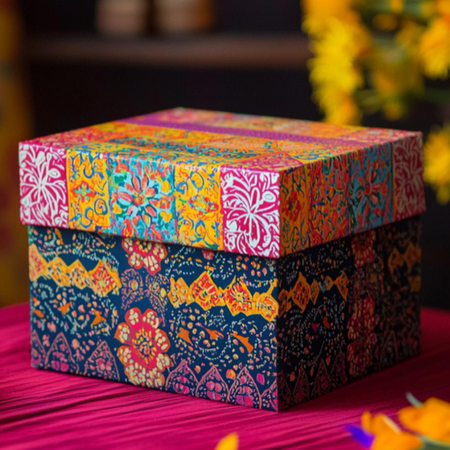
Cultural motifs reflect a society’s historical memory, belief systems, symbolic narratives, and artistic aesthetic sensibilities. Their use in packaging design provides brands with a space for differentiation in the global market while creating a strong emotional bond with local consumers. From Anatolian kilim patterns to Japanese origami forms, from African geometric lines to Scandinavian minimalism, many cultural references are being reinterpreted in contemporary packaging design. That allows products to transcend their status as mere consumer goods and turn into cultural experiences.
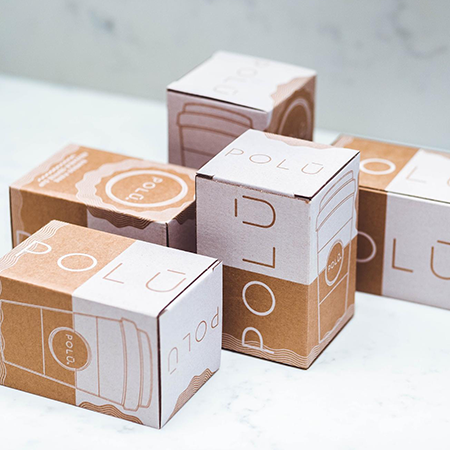
Modern packaging design disciplines prefer not to directly replicate cultural motifs but to reproduce them within a contemporary aesthetic language. This approach both honors the origin of the motif and adapts it to the dynamic visual world of today. For example, a traditional motif can be simplified and integrated into a logo, or combined with modern typography to create a strong visual balance.
Another key function of cultural motifs in packaging design is to evoke a sense of belonging. Consumers feel a stronger affinity for familiar symbols and stories. That transforms packaging from a purely visual element into a meaningful carrier of cultural significance. Such an approach also contributes to the preservation of cultural diversity and the visibility of local production cultures.
In summary, 21st-century design thinking approaches cultural references not as decorative accessories but as value systems. Packaging designers go beyond treating these values as embellishments and instead position them as powerful symbols integrated into the brand’s overall narrative. For this reason, cultural motifs stand out as the silent yet compelling storytellers of contemporary packaging design.
At LuxBoxPack, we provide packaging solutions tailored to the evolving needs of our clients in different sectors. Contact us at +90 212 438 82 15 to get detailed information about our product range.