
In today’s consumer landscape, packaging is far more than a protective shell - it is a strategic touchpoint where brands communicate their identities, values, and emotional promises through an invisible language. At this touchpoint, symbols emerge as quiet yet compelling storytellers. They speak directly to the consumer’s subconscious, are instantly recognizable, and carry meaning across cultures. By leveraging this power, brands embed hidden messages into their packaging, allowing the product to speak without words and enabling brand values to be understood without being explicitly stated.
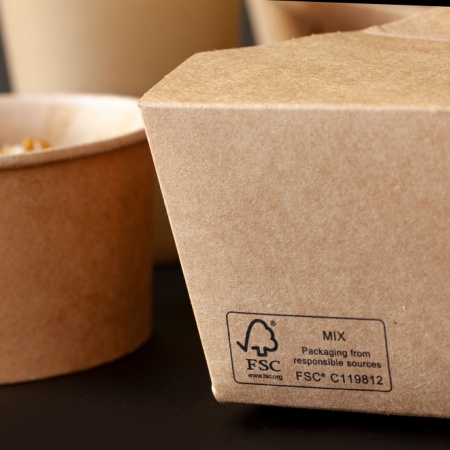
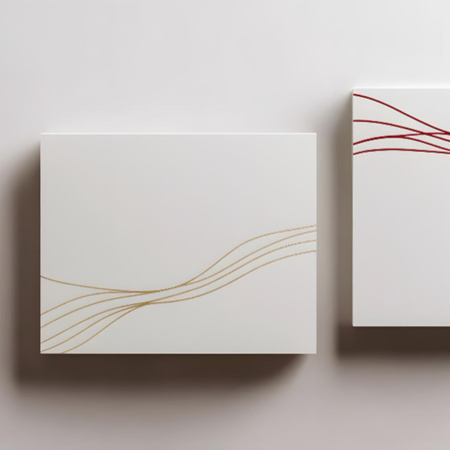
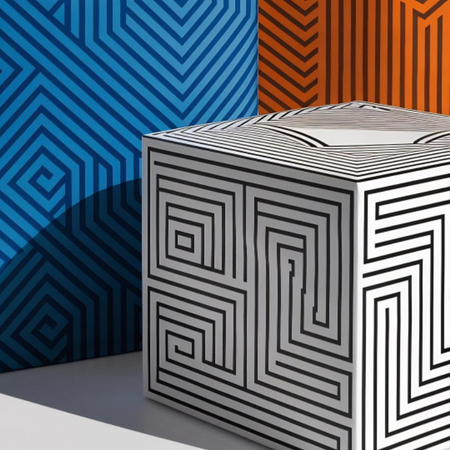
One of the biggest advantages of symbolic expression is its immediacy. A consumer often makes a decision within seconds in front of the shelf. Within such a short window, lengthy texts, detailed explanations, or complex graphics struggle to make an impact. A symbol, however, can instantly evoke perceptions of trust, naturalness, innovation, or premium quality. A minimal line can suggest simplicity; a geometric shape can imply order; a nature-inspired icon can signal sustainability. When deliberately chosen, these symbols transform packaging into a silent guide that reinforces the product’s positioning.
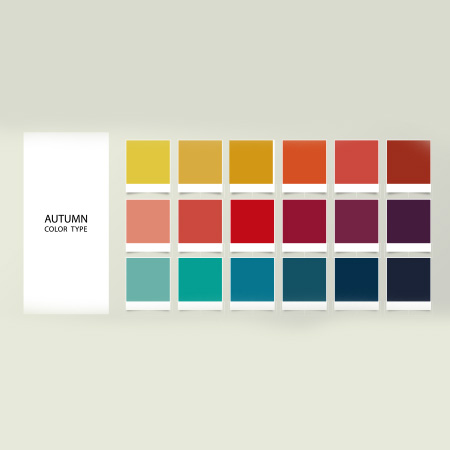
Brands use symbols not only as aesthetic elements but also as strategic devices that build layers of meaning. Messages about a product’s origin, production method, or philosophy can be encoded through iconography. A circular form may represent continuity and cyclicity; a triangular structure may imply progress or balance; a hand motif may evoke craftsmanship and human touch. Paired with color, these symbols gain even more depth - blue reinforces trust, green suggests naturalness, and golden hues strengthen a premium perception. Thus, the consumer sees not merely a decorative element, but senses a brand promise.
Cultural symbolism also plays a critical role in embedding hidden messages into packaging. Certain motifs, patterns, or signs may hold different meanings across societies. For this reason, designers must carefully interpret both the cultural codes of the target audience and global associations. Otherwise, a symbol’s intended meaning may turn into an unintended implication. Successful brands navigate this with meticulous analysis, opting for symbols that carry universally positive connotations.
In summary, symbols are invisible yet powerful narrators within packaging design. When brands skillfully employ this silent language, packaging becomes more than a surface - it evolves into a meaningful communication platform that conveys the product’s character, values, and story. This layered narrative, shaped by symbols, influences the consumer’s decision-making process, consciously or unconsciously, and further amplifies the strategic significance of packaging.
At LuxBoxPack, we provide packaging solutions tailored to the evolving needs of our clients in different sectors. Contact us at +90 212 438 82 15 to get detailed information about our product range.