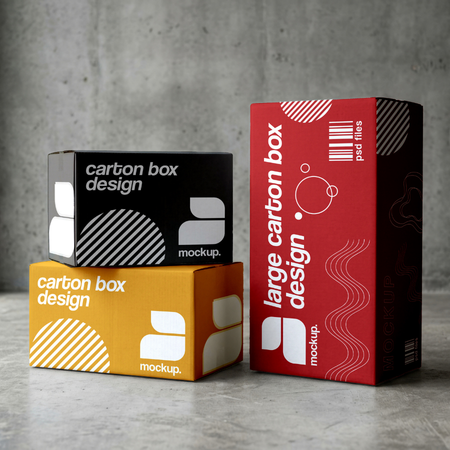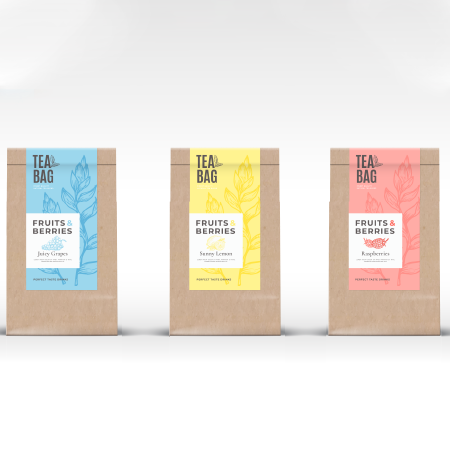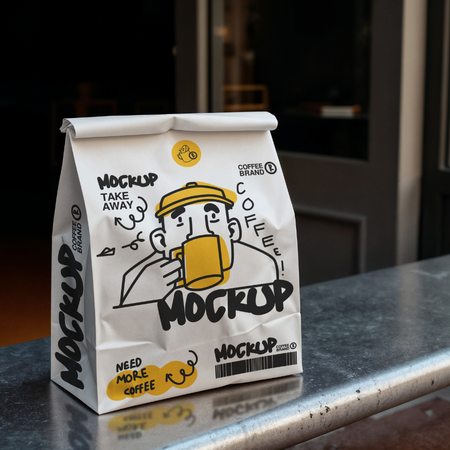
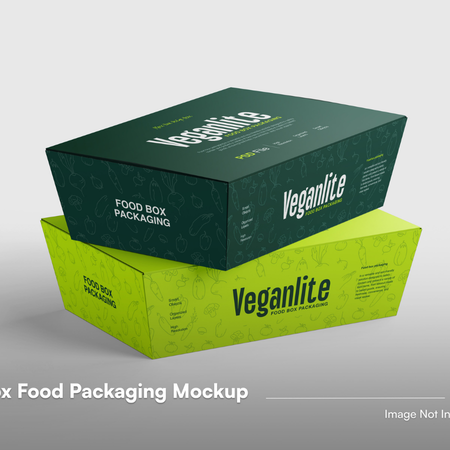
Food packaging not only protects a product from external factors and helps support its shelf life, but also plays a significant role in shaping consumers’ initial perception of the product. Within this perception, freshness is one of the particularly influential concepts. Since consumers often cannot directly experience a product’s actual quality before purchase, they rely on the visual and physical cues provided by its packaging. Colour, material, and form represent three of the strongest elements shaping these cues.
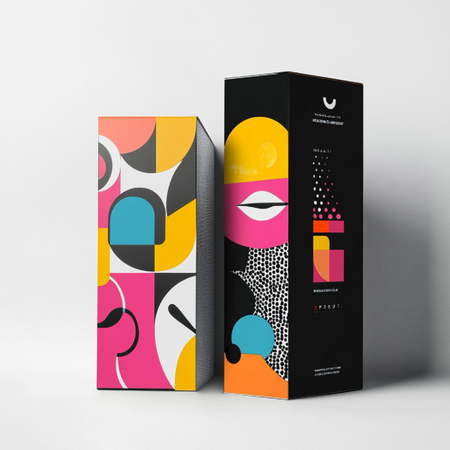
Colour plays an important role in creating a perception of freshness. Green tones can be associated with naturalness and the sense of newly harvested produce, while light and vibrant colours may evoke dynamism, lightness, and vitality. In fruit and vegetable products, designs inspired by the natural colours of the product can help establish a stronger visual connection between the contents and the packaging. However, colour choices should not be evaluated solely based on their associations. The product category, target audience, and visibility on the shelf also influence design decisions.
Material selection is another factor that directly affects the perception of freshness. Transparent surfaces allow consumers to see the product directly, helping them gain more information about its contents. Matte surfaces, on the other hand, can create a natural, understated, or premium impression. Paper, cardboard, glass, and different types of plastic communicate different messages about a product’s character through their visual and tactile qualities. Nevertheless, material selection should not be based solely on aesthetic expectations - it must also reflect the product’s protection requirements.
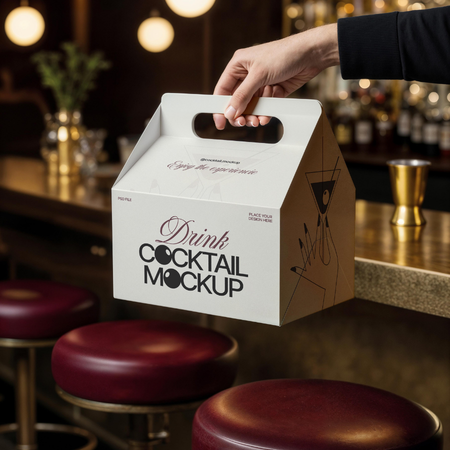
The form of the packaging can also influence how consumers assess freshness. Ergonomic, orderly forms that are consistent with the product category can reinforce a sense of trust. In particular, resealable packaging provides a functional indication that the product can be protected after opening and during subsequent use. Single-portion solutions, meanwhile, can be associated with controlled consumption and convenience.
The perception of freshness is not created by a single design element. The visual language of colour, the texture of the material, and the physical form of the packaging come together to shape consumers’ overall evaluation of a product. For this reason, successful food packaging design requires aesthetic choices to form a coherent whole with the product’s actual characteristics and functional requirements.
At LuxBoxPack, we provide packaging solutions tailored to the evolving needs of our clients in different sectors. Contact us at +90 212 438 82 15 to get detailed information about our product range.