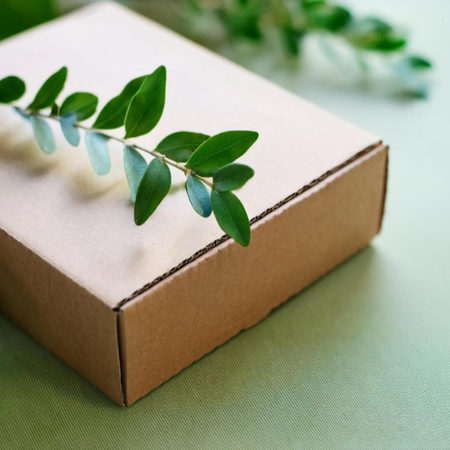
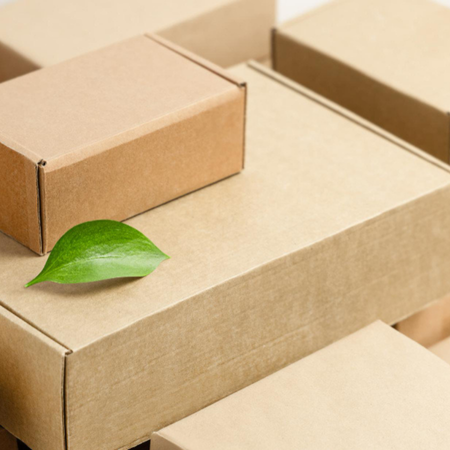
Sustainability is no longer viewed solely through the lens of production processes - it is now embraced as a holistic approach that encompasses the entire product life cycle. At the heart of this transformation lies the concept of circular design. While the traditional linear model treats packaging as a component that typically becomes waste once the product has been consumed, circular design aims to extend the life of packaging, enable its continued use, and reduce the consumption of natural resources. In doing so, packaging evolves from being merely a protective medium into a long-term strategic asset.
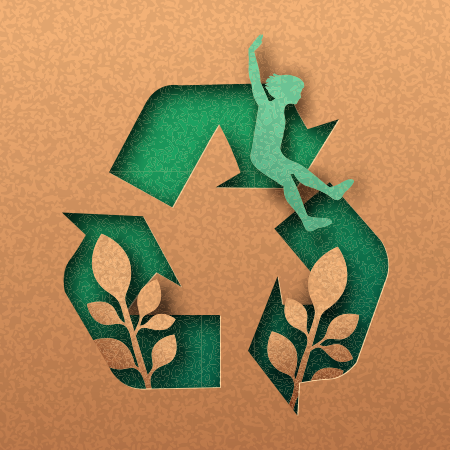
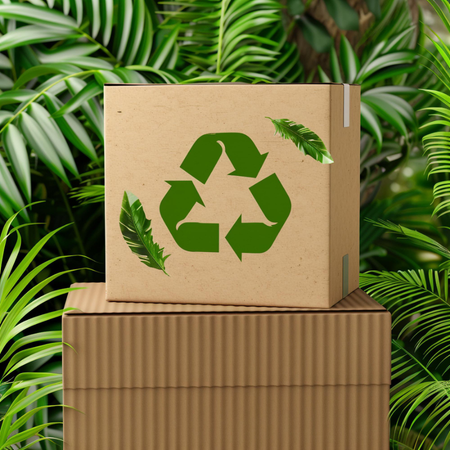
The fundamental principle of circular design is to prevent waste before it is created. Achieving this requires every stage of the packaging process -from material selection and manufacturing methods to transportation efficiency and recycling systems- to be considered as part of an integrated whole. Mono-material packaging, easily separable components, refillable systems, and the use of recycled content are among the most prominent applications of this approach. The objective is not simply to produce packaging that is recyclable, but to ensure that recycling is practical, efficient, and genuinely achievable in real-world conditions.
As consumers become increasingly environmentally conscious, the way packaging is perceived has also changed. Today, many purchasing decisions are influenced by how packaging is manufactured, which materials it contains, and how it can be managed at the end of its useful life. Consequently, packaging developed according to circular design principles has become a powerful communication tool that visibly demonstrates a brand's commitment to environmental responsibility. Clear and accessible recycling instructions, guidance on reuse, and transparency regarding material composition are among the key factors that help build consumer trust.
The advantages of a circular approach extend well beyond environmental benefits. More efficient material utilization, optimized package weight and volume throughout logistics operations, and reduced resource consumption through reusable systems can all contribute to greater operational efficiency for businesses. At the same time, adopting circular design provides companies with a stronger foundation for complying with increasingly stringent environmental regulations expected in the years ahead.
The future of packaging is being shaped by solutions that continue to create value not when a product reaches the end of its shelf life, but when a new cycle of use begins. Circular design forms the foundation of this vision by transforming packaging from a temporary object of consumption into a strategic asset that supports resource conservation while strengthening brand perception. As a result, successful packaging design today requires a comprehensive perspective - one that evaluates not only aesthetics and functionality, but also the economic, environmental, and social value packaging creates throughout its entire life cycle.
At LuxBoxPack, we provide packaging solutions tailored to the evolving needs of our clients in different sectors. Contact us at +90 212 438 82 15 to get detailed information about our product range.