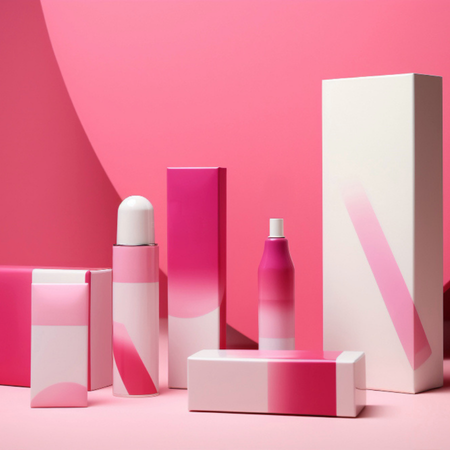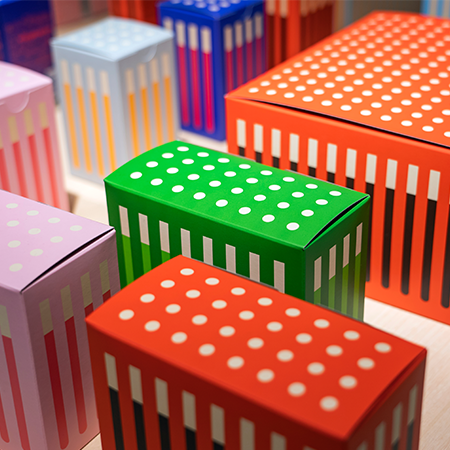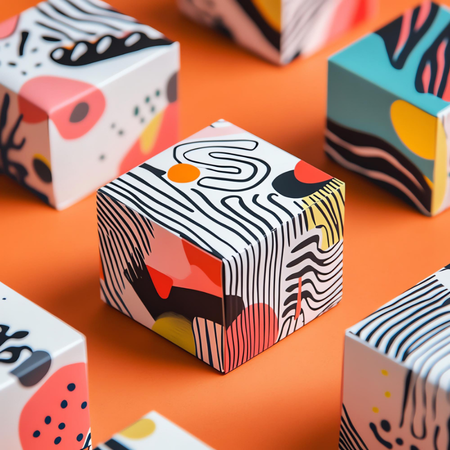
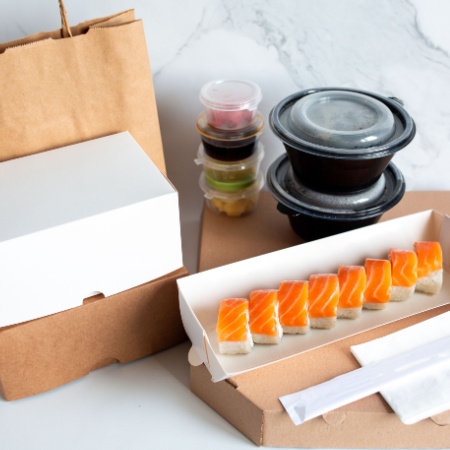
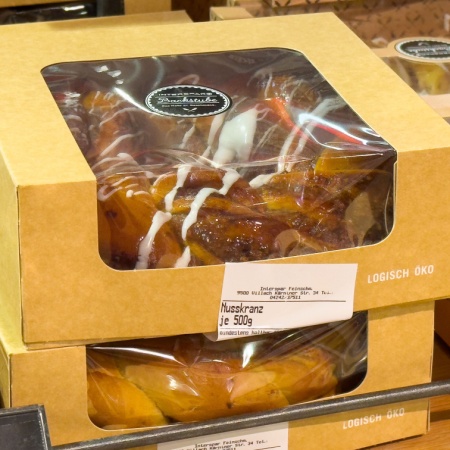
Packaging is not merely a technical element designed to protect a product - it also serves as a reflection of cultural values, aesthetic preferences, and consumer habits. These cultural variations play a decisive role in both the production and perception of packaging across different regions.
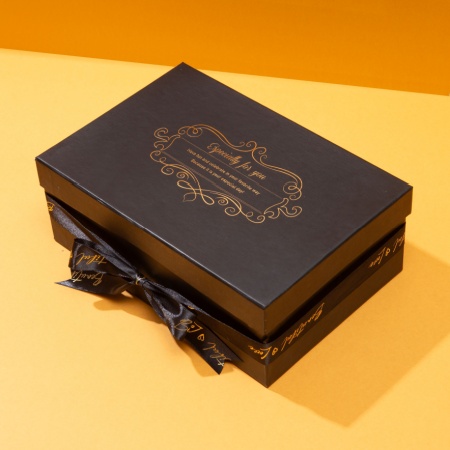
In Japan, for example, packaging is considered nearly as important as the product itself. Elegance, simplicity, and meticulous folding techniques reflect the Japanese philosophy of omotenashi, which emphasizes respect and attentiveness toward others. This approach is seen not only in gift wrapping but also in supermarket products and restaurant presentations.
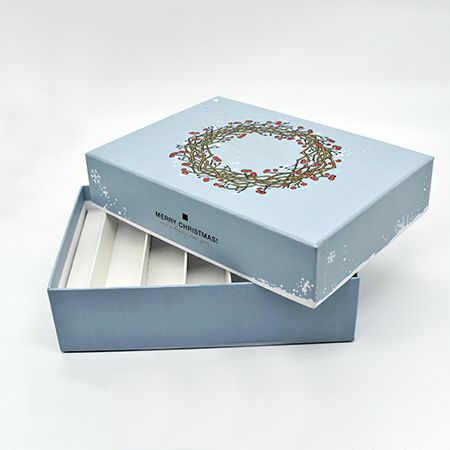
In Western European countries, packaging is largely evaluated based on functionality and sustainability. In environmentally conscious societies like Germany and Sweden, the use of recyclable materials and minimalist design is prioritized. Packaging is also expected to enhance user experience - easy opening mechanisms, convenient handling, and minimal waste production are essential features.
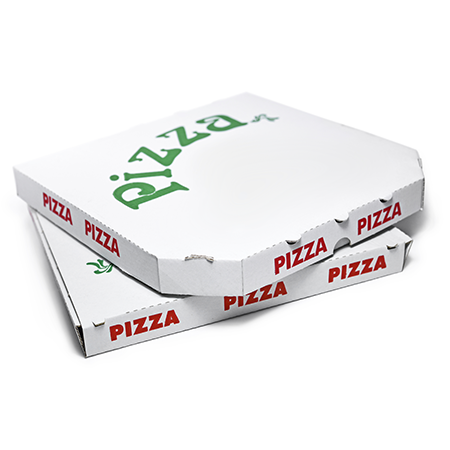
In the United States, packaging often revolves around eye-catching design and strong brand identity. In highly competitive markets, packaging functions as a key communication tool to help products stand out on shelves. Bright colors, bold typography, and storytelling-driven designs are characteristic of American packaging culture.
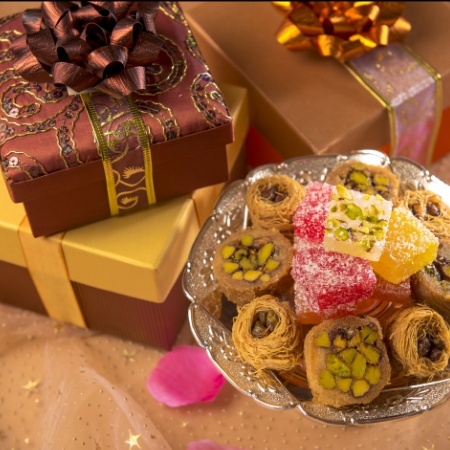
In regions like the Middle East and South Asia, packaging tends to be ornate and elaborate. Gold foiling, intricate patterns, and vibrant colors are culturally valued elements. Here, packaging often serves as a symbol of product prestige and perceived value.
Türkiye presents a unique case, blending both Eastern and Western influences. Packaging solutions may combine modern design sensibilities with traditional motifs, offering the flexibility to appeal to diverse socioeconomic groups. In recent years, there has been a noticeable rise in environmentally friendly and locally inspired packaging trends.
In summary, packaging is far more than a product’s outer surface - it is a cultural artifact that embodies societal habits, visual aesthetics, and value systems. Considering these cultural contexts during product development and market strategy planning is vital for improving user experience and enhancing brand perception.
At LuxBoxPack, we provide packaging solutions tailored to the evolving needs of our clients in different sectors. Contact us at +90 212 438 82 15 to get detailed information about our product range.