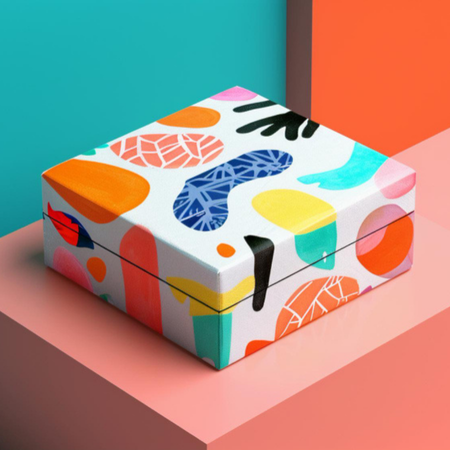
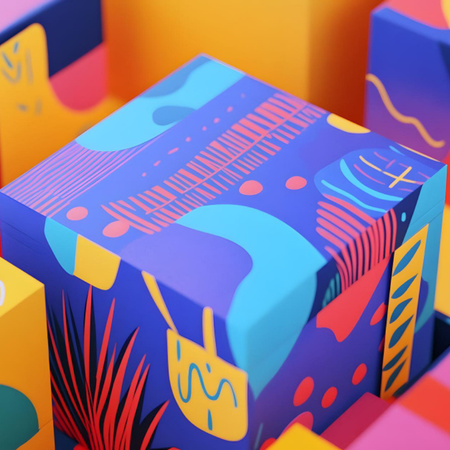
The impression a package leaves on consumers extends far beyond its appearance on the shelf. How it feels in the hand, how it opens, the materials it is made from, and how practical it is throughout use all contribute to the overall product experience. As a result, one of the defining approaches in modern packaging design is sensory consistency - the integration of visual, tactile, and functional elements into a cohesive design strategy. When these attributes reinforce one another, they enhance the user experience while helping to build a stronger and more consistent brand perception.
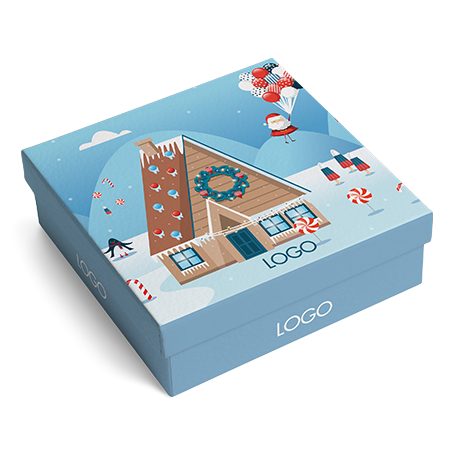
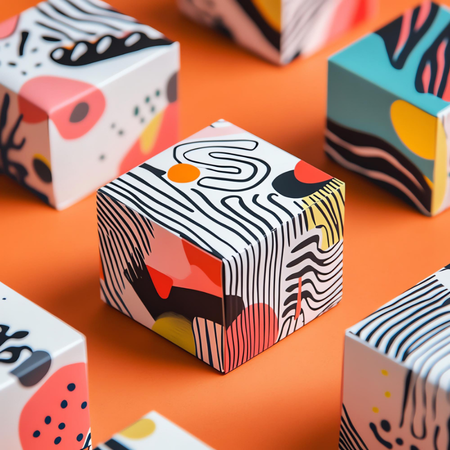
Visual design is the consumer's first point of contact with a product. Colors, typography, graphic composition, and surface design communicate powerful messages about the product's identity within seconds. However, packaging that appears premium at first glance but is made from materials that feel inexpensive -or fails to meet expectations during use- can create a disconnect between perception and reality. For this reason, visual appeal should always be supported by a physical experience that delivers on the promise conveyed by the design.
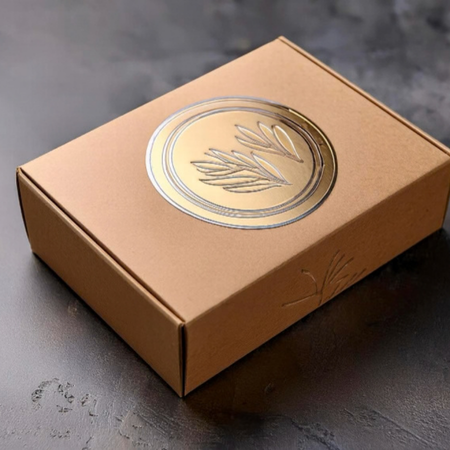
The tactile experience is often an overlooked aspect of packaging, yet it can significantly influence purchasing decisions. The rigidity of the paperboard, the texture of surface finishes, matte or glossy coatings, embossed details, and the feel of natural materials all contribute directly to the perceived quality of a product. Brands operating in the premium segment, in particular, strive to align tactile characteristics with visual design to create a more cohesive and memorable consumer experience.
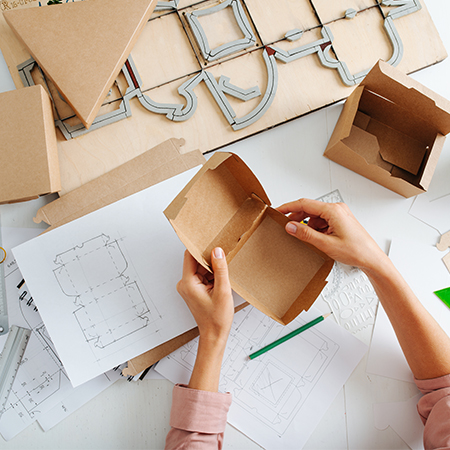
Functionality serves as the element that completes the sensory experience. Packaging that is easy to open, securely resealable, convenient to carry, or simple to store enhances user satisfaction in meaningful ways. When ergonomic design is aligned with visual and tactile qualities, interacting with the product becomes more intuitive and seamless. As a result, consumers' engagement with the packaging extends beyond the initial impression and remains positive throughout the entire product lifecycle.
As digital experiences become increasingly integrated into everyday life, sensory consistency has taken on a new dimension. QR codes, augmented reality applications, and interactive features that provide access to digital content can enrich user engagement by connecting physical packaging with digital experiences. However, these technologies should be incorporated as a natural extension of the overall design. Features that disrupt the visual identity or compromise ease of use may ultimately diminish rather than enhance the consumer experience.
Successful packaging design is not defined by the strength of individual sensory elements but by how effectively they work together. When visual aesthetics, tactile quality, and functional usability are unified through a cohesive design approach, packaging evolves from a simple protective solution into an integral part of the overall user experience. This holistic perspective has become one of the key principles for meeting changing consumer expectations while supporting long-term brand perception.
At LuxBoxPack, we provide packaging solutions tailored to the evolving needs of our clients in different sectors. Contact us at +90 212 438 82 15 to get detailed information about our product range.