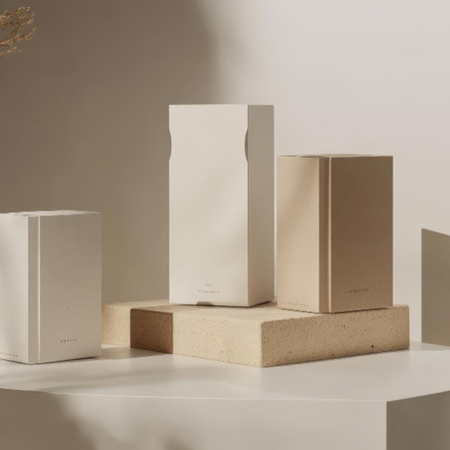
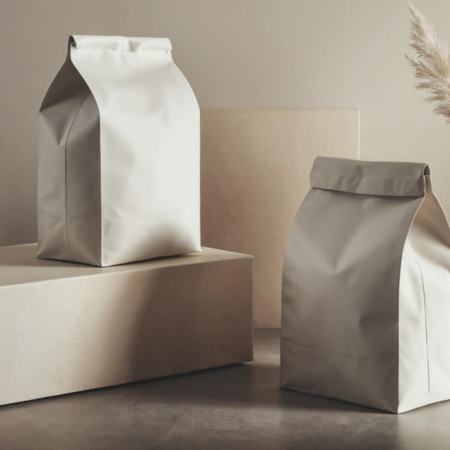
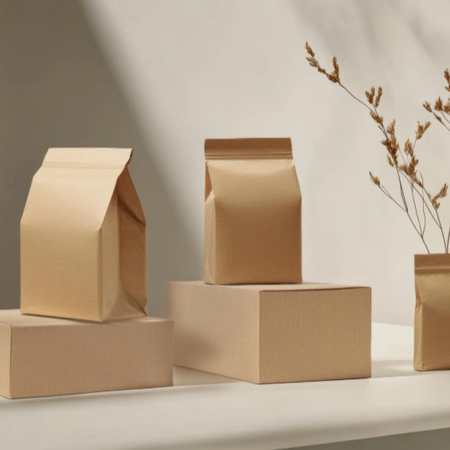
Today’s consumers are exposed to hundreds of different products and visual messages every day. In such a crowded communication environment, capturing attention does not always require more colors, larger graphics, or an increased amount of information. On the contrary, many brands are choosing to stand out through simpler and more restrained designs. This is where the concept of minimalist packaging comes into play, offering a strategic approach that aims to create a strong perception through the use of a limited number of design elements.
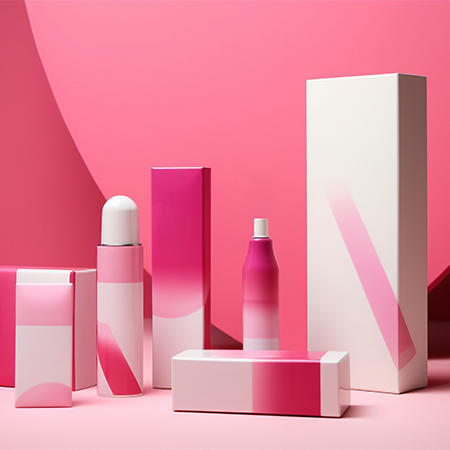
At the core of minimalist packaging design is the elimination of all unnecessary elements. Through limited color palettes, clean typography, balanced use of white space, and a clear visual hierarchy, consumers’ attention is directed toward the most important messages. This approach is not merely an aesthetic preference but also a functional form of communication that makes products easier to understand.
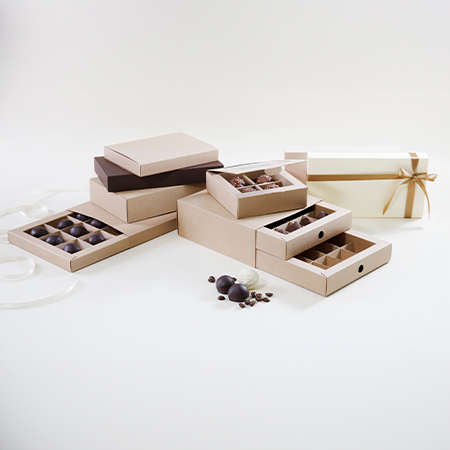
Simplicity stands out as one of the key factors that strengthens the perception of quality. Particularly in the premium segment, brands can inspire trust, care, and prestige through a controlled and refined appearance rather than elaborate designs. Unlike complex packaging, minimalist packaging allows the product’s intrinsic value to take center stage while creating a calmer and more reassuring first impression for consumers.
The minimalist approach can also offer various advantages in production processes. Using fewer printing colors, reducing unnecessary design elements, and favoring simpler structural solutions can contribute to cost optimization in certain projects. At the same time, it is important to remember that minimalist design does not necessarily mean low cost. Successful minimalist packaging requires not only the deliberate planning of every detail but also a high level of design discipline.
Sustainability goals are also becoming an important factor supporting the minimalist design philosophy. Reducing unnecessary material usage, opting for simpler structural solutions, and developing designs compatible with recyclable materials can help minimize environmental impact. In this way, minimalism is regarded not only as a visual approach but also as a design philosophy that promotes more efficient use of resources.
In short, minimalist packaging demonstrates that it is possible to build a stronger brand perception by using fewer design elements. When aesthetic simplicity, readability, user experience, and sustainability objectives come together, minimalist design evolves beyond a purely visual preference and becomes a strategic tool that strengthens a brand’s competitive advantage.
At LuxBoxPack, we provide packaging solutions tailored to the evolving needs of our clients in different sectors. Contact us at +90 212 438 82 15 to get detailed information about our product range.



1.jpg)
