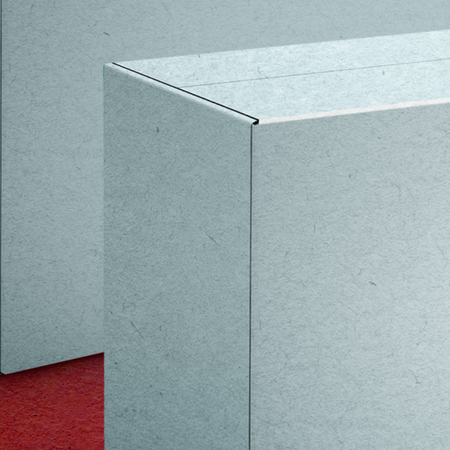
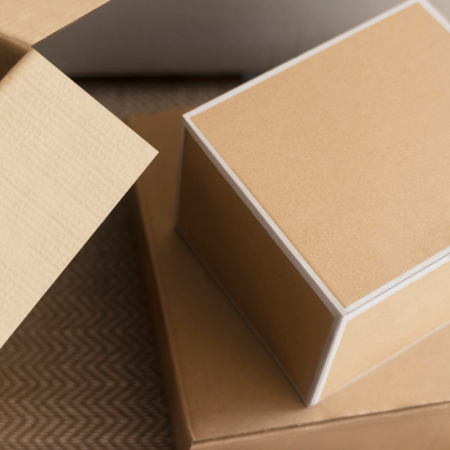
The quality of packaging is often evaluated during the design stage. Color harmony, typography, visual hierarchy, and material selection are among the elements that stand out at first glance. However, once the design is transformed into a physical product, another layer of quality comes into play: production quality. The accuracy of printing, the precision of cutting lines, and the consistency of folding points directly affect both the appearance of the packaging and the user experience.
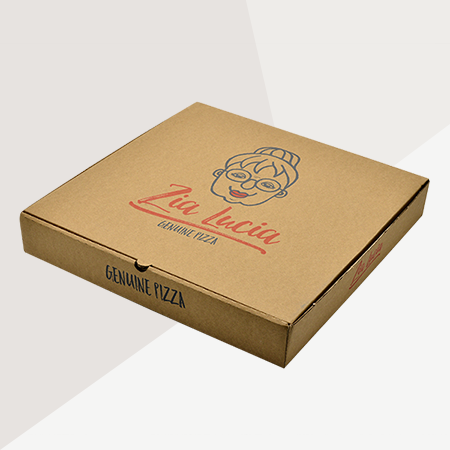
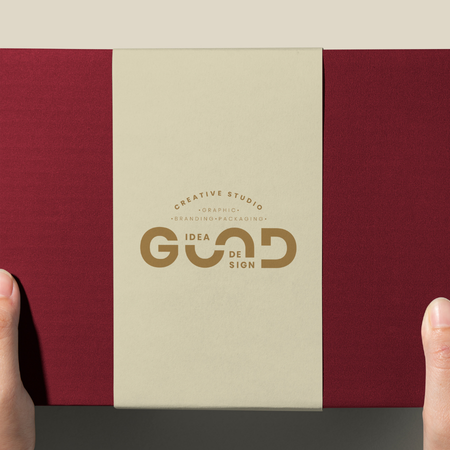
Ensuring that the colors on the packaging are reproduced as closely as possible to the design intent is important for more than aesthetic reasons. Color density, print registration, text clarity, and the preservation of small graphic details all contribute to conveying a brand’s visual language consistently. Especially when multiple products are presented as part of the same series, even minor variations in printing can affect the overall perception.
Registration errors during the printing process, variations in tone, or inconsistencies in ink distribution can weaken the professional appearance of packaging, regardless of how successful the design itself may be. For this reason, printing should not be viewed merely as the application of a design, but as the accurate transfer of design decisions onto a physical surface.
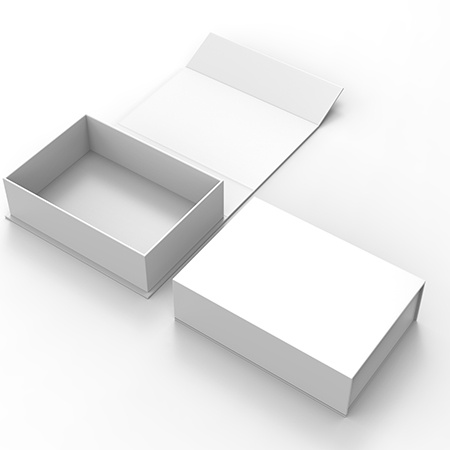
In packaging production, cutting is one of the fundamental stages that determines the final form of the product. Even millimetric deviations can affect numerous details, from edge alignment and window openings to lid closure and the positioning of graphics. Cutting precision becomes particularly important for packaging with complex geometries or multi-part structures.
A good cut does more than create clean edges. It also helps ensure that the packaging comes together correctly during assembly, that the product remains properly balanced inside, and that the design appears as intended.
Another stage just as important as cutting is folding. Correctly positioning fold lines and shaping the material in a controlled manner along these lines helps the packaging maintain its intended form. Incorrect or inconsistent folds can cause cracking and deformation on the surface, while also making the box more difficult to open or close.
In short, production quality is not a feature that is separately stated on the packaging. It reveals itself through precisely aligned printing, clean cuts, and folds that fall naturally into place. When these seemingly small details come together, packaging becomes more than a structure that simply holds a product - it begins to deliver a quiet yet powerful message about quality.
At LuxBoxPack, we provide packaging solutions tailored to the evolving needs of our clients in different sectors. Contact us at +90 212 438 82 15 to get detailed information about our product range.