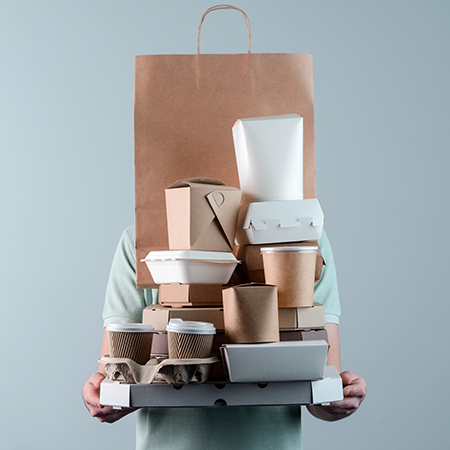
Today, packaging is more than just a means of protection. It is a form of communication, a carrier of brand identity, and an integral part of logistics systems. However, the historical journey of packaging didn’t begin with modern designs or multi-layered solutions. Throughout human history, different packaging types have reflected the technological capacities and lifestyles of their time. Some of these once-common methods have faded from use and now rest quietly in the dusty pages of history.
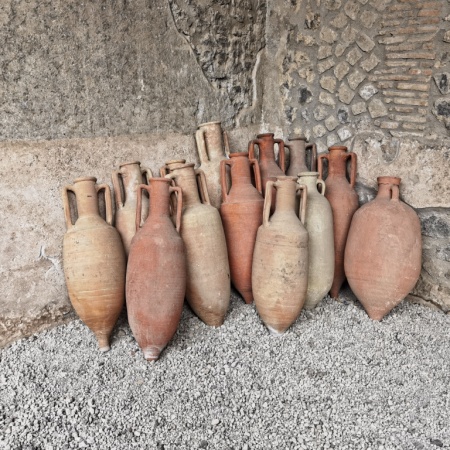
Amphorae - Containers of the Ancient World:
Widely used in Ancient Greece and Rome, amphorae were ideal for transporting olive oil, wine, and grains. Typically made from clay or ceramic, these containers featured a narrow neck and pointed bottom, making them easy to stack aboard ships. Though now primarily found as archaeological artifacts, amphorae were essential to the long-distance trade networks of their time.
Animal Skin Pouches:
In early civilizations, animal hides were used to craft pouches for carrying water and liquid foods. These flexible and durable containers were practical for nomadic communities in particular. However, as hygiene standards evolved and more sanitary materials became available, this type of packaging gradually disappeared.
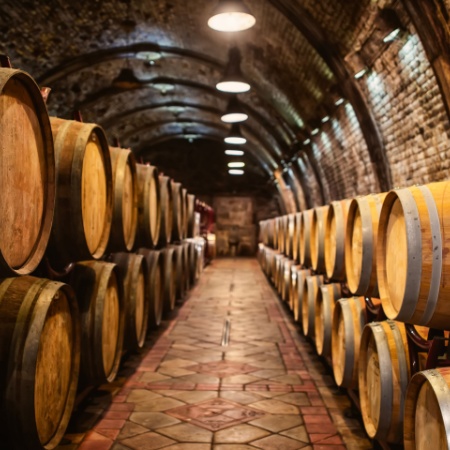
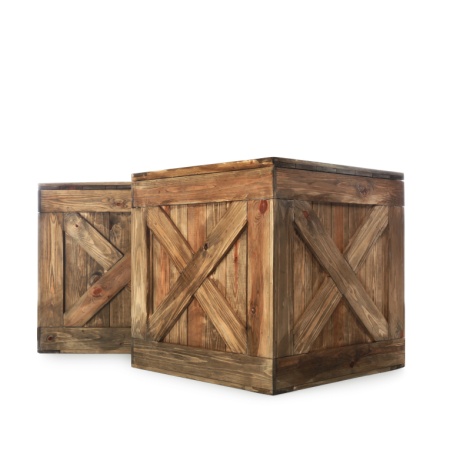
Wooden Crates and Barrels:
During the Middle Ages and well into later centuries, wooden crates and barrels became dominant packaging solutions, particularly in Europe. Barrels were used for storing wine, beer, vinegar, and salted fish. Their durability and reusability made them a practical choice. Yet, with the rise of lighter, cost-effective materials, these heavier containers were eventually replaced.
Paper Wrappings and Waxed Cloths:
Before the Industrial Revolution, paper wrappings and wax-impregnated cloths were commonly used to protect foodstuffs. These materials were helpful for preserving flour, spices, and dried goods from moisture in particular. However, they were short-lived and lacked effective sealing capabilities.
Historical packaging methods may seem primitive by today’s standards, but each served a vital purpose for its era. Exploring these past techniques is not merely an exercise in nostalgia - it also offers valuable insights into sustainability, practicality, and the evolution of design. In many ways, these forgotten forms of packaging laid the groundwork for the sophisticated systems we use today.
At LuxBoxPack, we provide packaging solutions tailored to the evolving needs of our clients in different sectors. Contact us at +90 212 438 82 15 to get detailed information about our product range.