
In recent years, sustainability has evolved beyond being merely an area of environmental responsibility and has become a core element of brand communication, a purchasing criterion for consumers, and one of the primary transformation drivers within the packaging industry. However, this transformation has also introduced a new layer of complexity: green labels, environmental certifications, and sustainability symbols. Today, a product package may feature dozens of different claims, ranging from recyclability symbols and carbon-neutral statements to FSC logos and biodegradable labels. But do consumers truly understand what each of these means?
In most cases, the answer is no. Sustainability communication is becoming increasingly technical and complex. Moreover, not every green label represents the same thing. Some focus on raw materials or production processes, while others refer only to a specific environmental criterion. This creates a significant communication challenge for both consumers and brands alike.
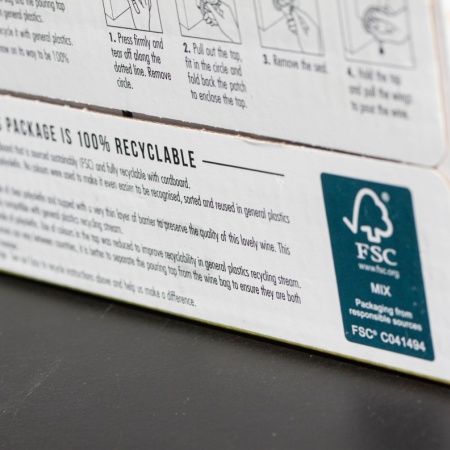
For instance, the widely recognized FSC certification indicates that the paper or wood-based raw materials used in a product originate from sources managed according to responsible forestry standards. However, this does not necessarily mean that the product is fully recyclable. Similarly, the term “recyclable” is often misunderstood. A package may technically be recyclable, yet in practice, it may never enter the recycling stream due to the lack of appropriate infrastructure in certain regions.
Another particularly confusing area involves terms such as “biodegradable,” “compostable,” and “eco-friendly.” Although these concepts are often used interchangeably, there are substantial differences between them. A biodegradable material may break down over time under specific conditions, whereas compostable products are designed to transform into organic waste within controlled composting environments. Expressions like “eco-friendly,” on the other hand, are frequently used as marketing language without any clear standard or independent verification behind them.
This is precisely where the concept of “greenwashing” comes into play. Some brands use vague claims, green color palettes, or misleading symbols to present their environmental impact as more sustainable than it actually is. This not only damages consumer trust but also reduces the visibility of brands that are genuinely investing in sustainable practices.
Within the packaging industry, the importance of certifications continues to grow. Especially for export-oriented companies, compliance with certain environmental standards has become less of a competitive advantage and more of a necessity. The European Union’s sustainability policies, carbon regulations, and circular economy targets are pushing packaging manufacturers toward developing more transparent, measurable, and verifiable processes. As a result, certifications are becoming not only a communication tool for consumers but also a critical component of global trade.
However, the most important issue is not increasing the number of certifications, but clearly communicating what each certification actually represents. Today’s consumers no longer trust brands simply because they “look green”; they place greater confidence in brands that provide genuinely transparent and understandable information. The ability to communicate complex technical details in a simple and accessible manner has become one of the most critical aspects of sustainability communication.
In short, while green labels are important tools within the sustainability journey, they are not sufficient on their own. The real value lies in how transparent, verifiable, and meaningful the system behind those symbols truly is. For this reason, what both brands and consumers ultimately need is not more labels, but greater clarity and awareness.
At LuxBoxPack, we provide packaging solutions tailored to the evolving needs of our clients in different sectors. Contact us at +90 212 438 82 15 to get detailed information about our product range.