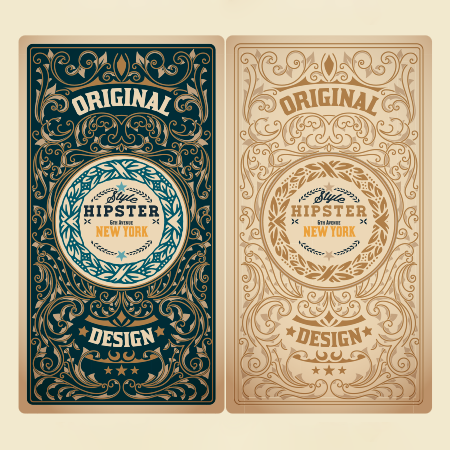

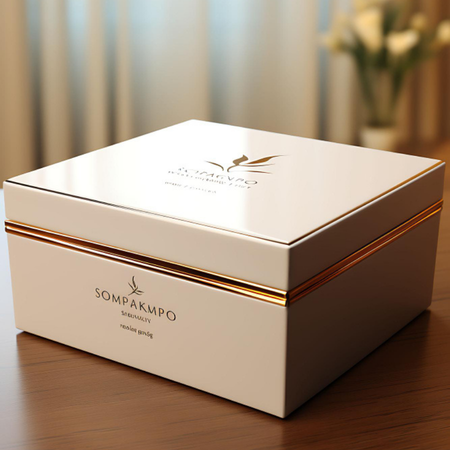
When a product crosses national borders, it does not merely change location physically - it also enters a new cultural context. At this point, packaging goes beyond being a carrier of the product and assumes the role of a “cultural translator.” Export-oriented packaging design is not limited to aesthetic choices - it requires an accurate reading of the target market’s value system, perception patterns, and symbolic language.
Cultural codes encompass a wide spectrum, from how a society perceives colors to the meanings it assigns to symbols. For instance, white, which signifies purity and simplicity in one market, may be associated with mourning and loss in another geography. Similarly, certain patterns, iconographies, or typographic styles that are perceived as warm and friendly in one country may be seen as amateurish or unreliable in another. Therefore, even choices that appear to reflect a “universal aesthetic” must be re-evaluated within the local context.
Language use is also a critical component of this process. Direct translation is often insufficient, as language consists not only of words but also of tone, context, and cultural connotations. Ensuring that the expressions used on packaging align with the target audience’s everyday language and communication habits enhances the product’s accessibility. Otherwise, the correct message may lose its impact if delivered in the wrong tone.
Another key element in export-oriented packaging is building trust. Consumers, especially when encountering a foreign product, make quick and intuitive judgments based on the packaging. A well-structured information hierarchy, legible typography, and clear product details play a decisive role in establishing this trust. Additionally, elements such as certifications, country-of-origin information, and quality indicators provide strong reference points for the conscious consumer.
The story of local production is one of the most powerful components of this global presentation. Consumers today seek not only the product itself but also the culture, craftsmanship, and authenticity behind it. For this reason, packaging should reflect traces of the product’s geographical origin without falling into cliches or exaggeration. A delicate balance must be maintained: being overly local may hinder comprehension, while being overly universal may result in a loss of character.
Functional expectations are also shaped by cultural differences. Elements such as opening mechanisms, ease of use, and resealability are directly linked to habits that vary from one market to another. These details shape the user experience while also influencing the perceived quality of the product.
In summary, export-oriented packaging design requires a multi-layered strategy that preserves local identity while adapting to global expectations. Accurately interpreting cultural codes is not merely an aesthetic advantage but also a competitive necessity. Because in the global marketplace, differentiation often depends not so much on what you say, but on how you say it.
At LuxBoxPack, we provide packaging solutions tailored to the evolving needs of our clients in different sectors. Contact us at +90 212 438 82 15 to get detailed information about our product range.