Today, packaging is far more than a tool for protecting products. It plays a critical role in logistics, marketing, brand communication, and the overall consumer experience. However, this multi-functional identity of packaging is the result of a long historical evolution driven largely by technological progress. Among the most significant milestones in this journey is the Industrial Revolution, which fundamentally reshaped the packaging industry and paved the way for modern packaging techniques.
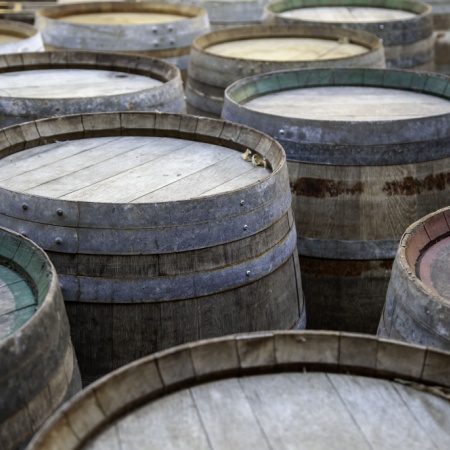
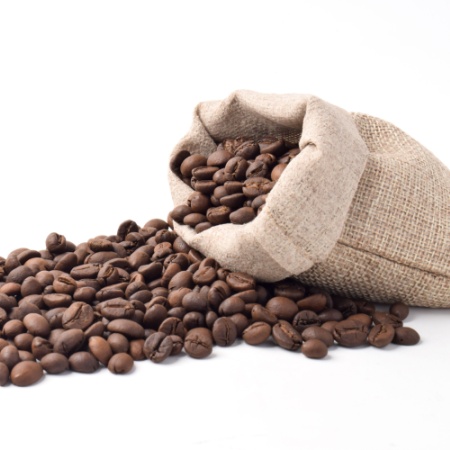
Before the Industrial Revolution, production was mostly based on manual labor, limited resources, and small-scale local operations. Packaging in agricultural societies was simple and purely functional. Common materials included cloth sacks, wooden barrels, clay pots, and woven baskets. The main purpose of packaging at that time was to protect products during short-distance transport and to preserve them for limited periods.
With the onset of the Industrial Revolution in the late 18th century, starting in Europe and spreading globally, production capacities increased dramatically. Steam engines, mechanized production lines, and factory systems enabled mass production, leading to goods being transported not only to local markets but across cities and national borders. This expansion of trade required higher packaging standards.
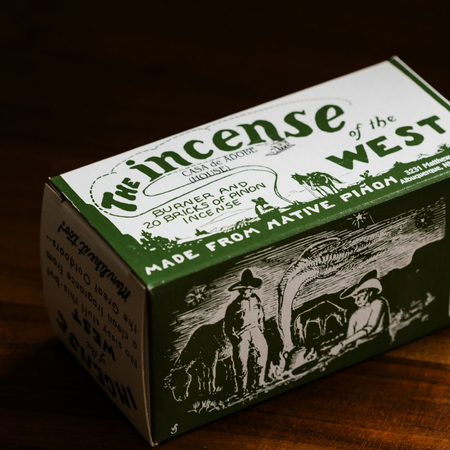
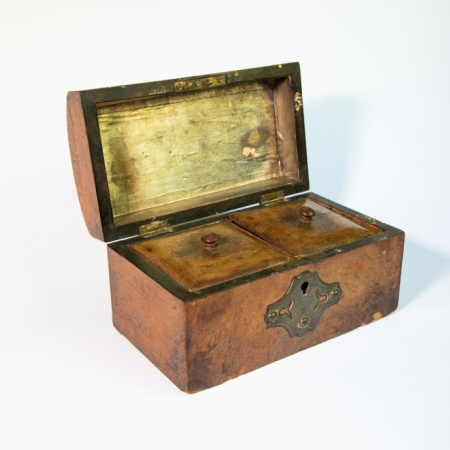
Fragile, perishable, and sensitive products needed to be transported over long distances without damage, prompting the development of more durable and reliable packaging solutions. Cardboard boxes, glass bottles, tin cans, and sturdier wooden crates became increasingly common during this period. In fact, the first commercial cardboard box, produced in England in 1817, is considered a milestone in packaging history. Similarly, the emergence of canned food revolutionized food preservation and contributed significantly to both packaging innovation and food safety.
The Industrial Revolution brought not only new materials but also the widespread adoption of standardization and mass production in packaging. These developments helped reduce costs, improve quality, and support large-scale trade operations.
Moreover, advancements in transportation infrastructure, particularly railways and maritime shipping, further increased the importance of packaging. Products had to be protected against environmental conditions, moisture, shocks, and long journeys, making packaging materials more robust and technically advanced.
As a result, packaging evolved from being a simple protective layer to becoming a strategic tool that enabled safe, efficient, and large-scale distribution of products to global markets. This transformation, which began with the Industrial Revolution, continues today as technology drives the industry toward more sustainable and intelligent packaging solutions.
In summary, the Industrial Revolution did not merely introduce new packaging materials. It laid the foundation for the modern concept of packaging - an essential component of global trade, product safety, and logistics that continues to evolve with each technological advancement.
At LuxBoxPack, we provide packaging solutions tailored to the evolving needs of our clients in different sectors. Contact us at +90 212 438 82 15 to get detailed information about our product range.