Packaging has been a fundamental human need since the dawn of civilization. Initially valued for its protective role, packaging has evolved over time to embrace visual and communicative functions, transforming from a mere container into a multidimensional medium. This evolution has given rise to a long-standing debate within the packaging industry: Should functionality take precedence, or should aesthetics lead the way?
In its earliest forms, packaging was predominantly functional. Made from natural materials such as clay pots, woven baskets, and animal hides, these early solutions served to shield products from environmental elements and enable transportation. The design was dictated largely by the nature of the product and practical ease of use.
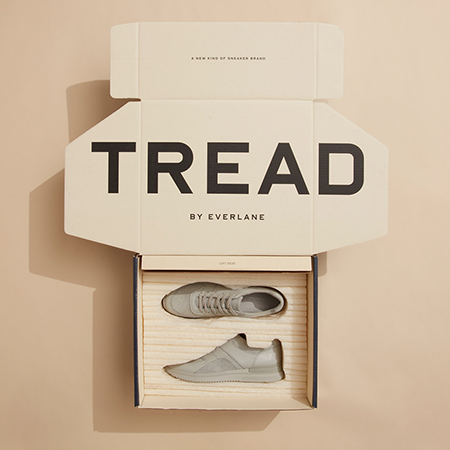
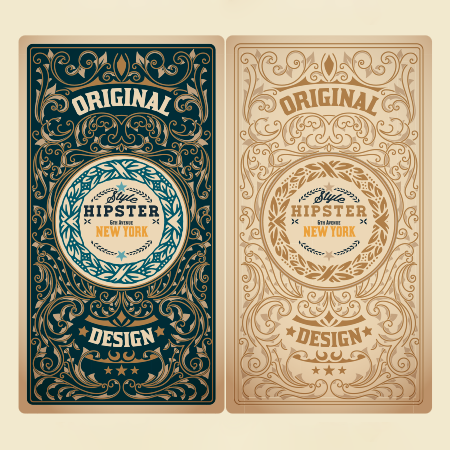
The Industrial Revolution marked a significant turning point. With the rise of mass production and consumer markets, packaging needed to do more than preserve - it had to attract. This shift introduced aesthetics into the equation. Color, typography, graphic elements, and material choices became tools not only of utility but of psychological and cultural influence.
By the 20th century, the divide between form and function became more pronounced. Especially in the post–World War II era, new materials like plastic offered cost-effective solutions and unprecedented control over form, opening the door to more expressive and visually compelling packaging designs. However, this newfound emphasis on aesthetics sometimes led to the neglect of essential protective and practical features such as durability, sealing, and environmental safety - sparking considerable debate within the industry.
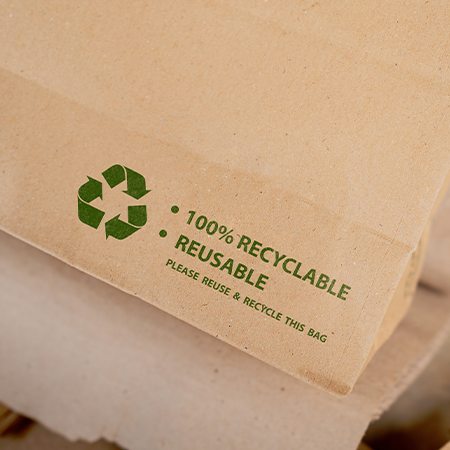
Today, it is increasingly difficult to draw a strict line between functionality and aesthetics. Emerging priorities such as sustainability are pushing packaging design to integrate protection, usability, and ecological responsibility into a cohesive whole. Contemporary packaging solutions seek to harmonize ergonomic design, recyclable materials, and user experience, blurring the historical dichotomy.
In summary, the history of the packaging industry is, in many ways, a history of the tension between function and form. Yet this tension has fueled innovation and redefinition. The question we must ask today is not “Functionality or aesthetics?” but rather, “How can we best integrate both for maximum impact?”
At LuxBoxPack, we provide packaging solutions tailored to the evolving needs of our clients in different sectors. Contact us at +90 212 438 82 15 to get detailed information about our product range.