

Expanding into international markets requires more than simply developing a high-quality product. How that product is perceived across different countries is also a critical factor in its success. In this context, packaging goes beyond its protective role in supporting logistics and becomes one of the brand's first points of communication with its target market. Creating successful export-oriented packaging therefore requires a clear understanding of the unique cultural, regulatory, and consumer expectations of each market.
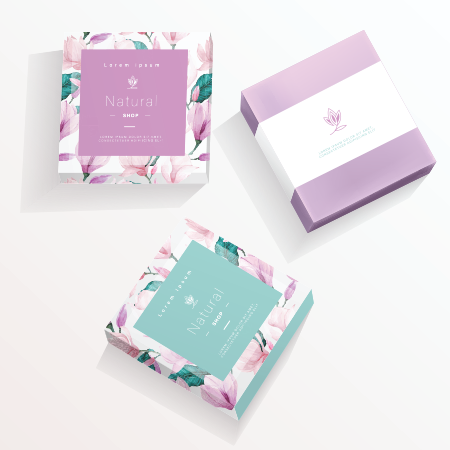
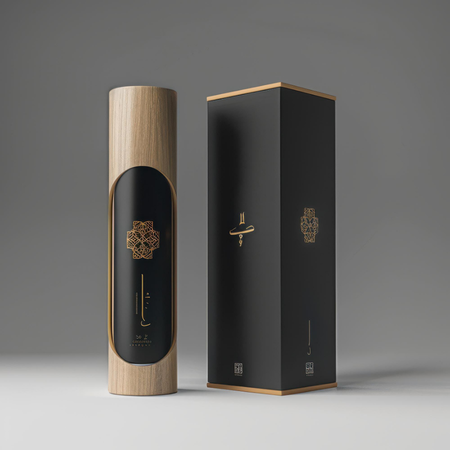
Consumer habits and aesthetic preferences vary significantly from one country to another. A design approach that inspires trust in one market may fail to capture attention in another. Color choices, visual density, typography, and the way information is presented on the packaging all play an important role in shaping consumers' first impressions of a product. For this reason, treating a single packaging design as a universal solution capable of delivering the same impact across every market is rarely the right approach.
Language is another critical element of export packaging. Beyond ensuring accurate translations of product information, the wording must also reflect the linguistic conventions and communication style of the target market. Poor or inadequate translations can undermine consumer confidence, whereas clear and well-adapted messaging reinforces the product's professional image.
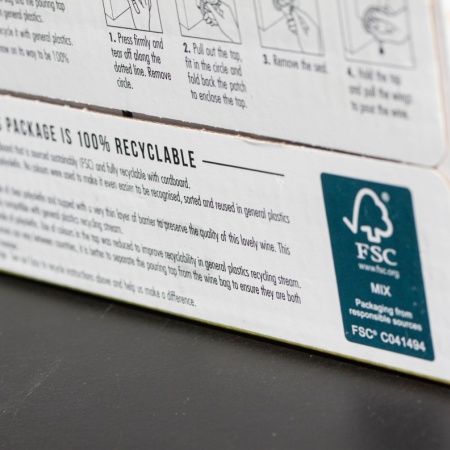
In addition to cultural considerations, regulatory requirements have a direct influence on packaging design. Mandatory labeling, recycling symbols, ingredient declarations, units of measurement, and product warnings can vary considerably from one country to another. Addressing these requirements throughout the export process not only ensures regulatory compliance but also helps products enter their target markets smoothly and without unnecessary delays.
The physical structure of the packaging must also be designed to withstand the demands of international transportation. During long-distance shipping, products need reliable protection against impacts, moisture, temperature fluctuations, and stacking pressure. Consequently, material selection and structural durability should be viewed as strategic decisions that are just as important as visual design.
In short, export-oriented packaging is about far more than simply enclosing a product. Understanding the cultural dynamics of the target market, developing communication that resonates with local expectations, complying with regulatory requirements, and addressing logistical demands together form the foundation of an effective packaging strategy. For brands seeking sustainable success in global markets, packaging serves as a powerful tool for communication and value creation by reflecting and respecting local sensitivities.
At LuxBoxPack, we provide packaging solutions tailored to the evolving needs of our clients in different sectors. Contact us at +90 212 438 82 15 to get detailed information about our product range.