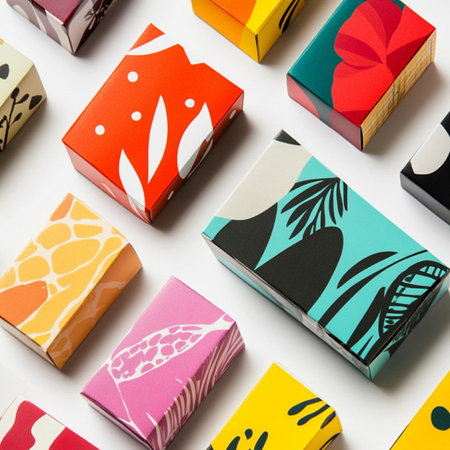
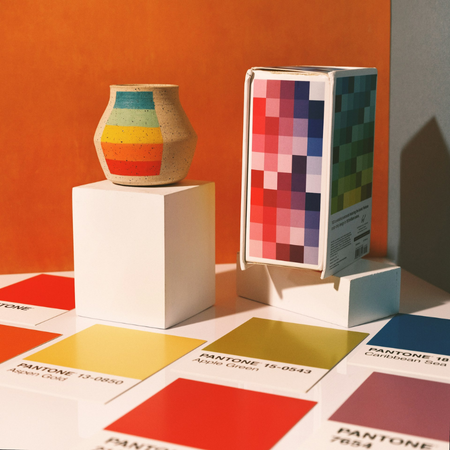

In packaging design, color is not merely an aesthetic element but also a powerful tool that directly influences consumer psychology because a product must stand out among dozens of alternatives on the shelf and convey the right message. At this point, the meanings and emotions carried by colors are among the critical factors that guide purchasing decisions.
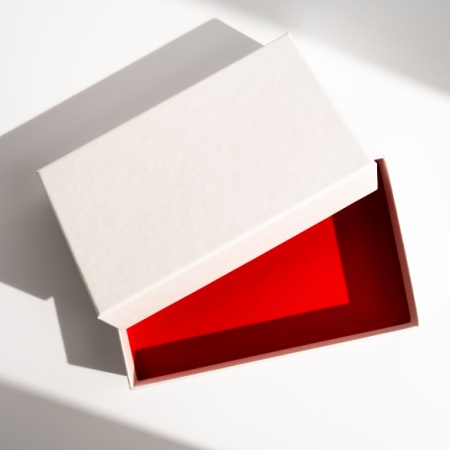
Red evokes energy and dynamism while also stimulating appetite. For this reason, it is frequently chosen in food and beverage packaging. Blue represents trust and loyalty; in health products, technology, and corporate brands, it strengthens the emphasis on reliability. Green symbolizes naturalness and sustainability, whereas black is often associated with luxury, prestige, and mystery. Yellow highlights optimism and joy; however, if not used carefully, it may become overstimulating.
When selecting colors for packaging design, the cultural codes of the target consumer audience must also be taken into account. Perceptions of color can vary significantly across cultures. For example, while white is associated with purity and simplicity in the West, it may symbolize mourning in some Asian cultures. Therefore, for global brands, a color strategy is not merely an aesthetic choice but also requires a sociocultural analysis.
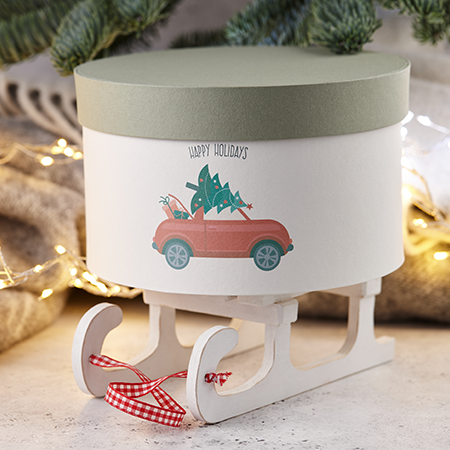
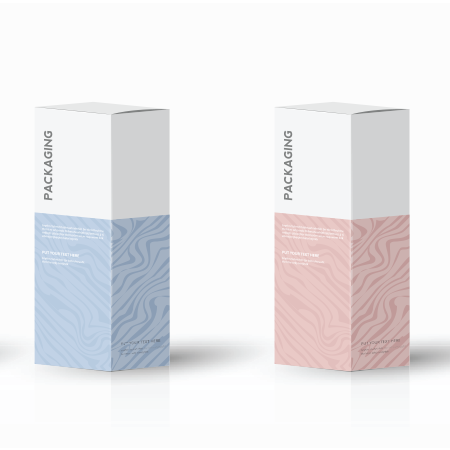
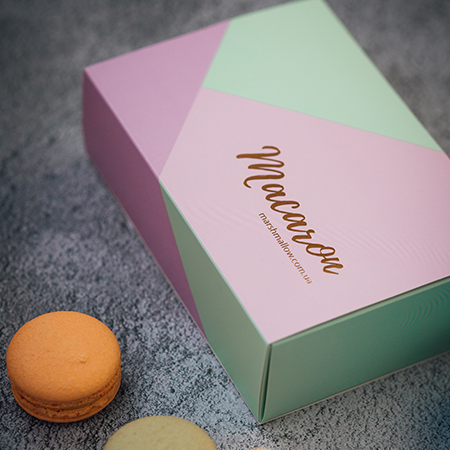
Colors, when used not only individually but also in combinations, create strong effects on consumers. Contrasting colors make it easier to attract attention, while tone-on-tone combinations, different shades of the same color, establish a sophisticated and cohesive perception. In addition, the harmony that color forms with the texture, material, and typography of the packaging reinforces the overall message.
Neuropsychological research shows that colors trigger emotional memory in the decision-making process. Consumers do not rely solely on rational evaluation; the feelings evoked by packaging also shape purchasing behavior. Therefore, a color strategy should not only align with the brand’s identity but also meet the emotional expectations of consumers.
In summary, interpreting color psychology correctly in packaging design provides brands with a powerful strategic advantage. Through colors, an emotional bond can be built with consumers, and the value promised by the product can be communicated more effectively. Thus, every color choice is not only a visual decision but also a conscious communication strategy.
At LuxBoxPack, we provide packaging solutions tailored to the evolving needs of our clients in different sectors. Contact us at +90 212 438 82 15 to get detailed information about our product range.