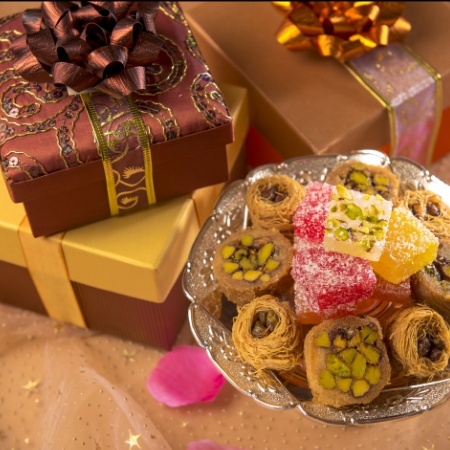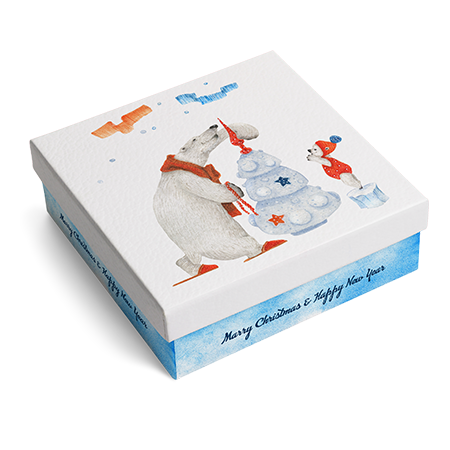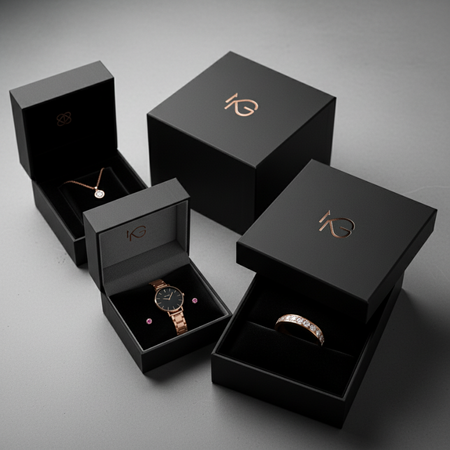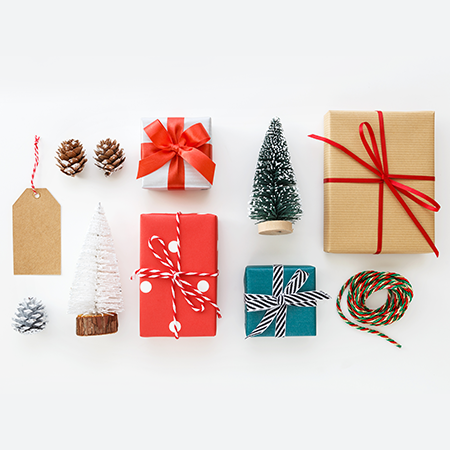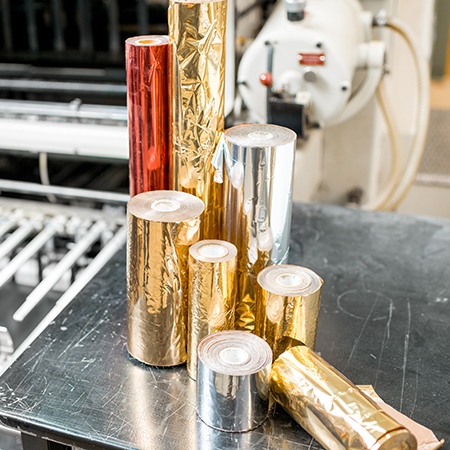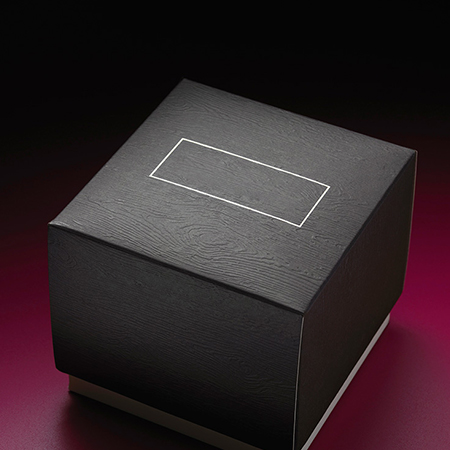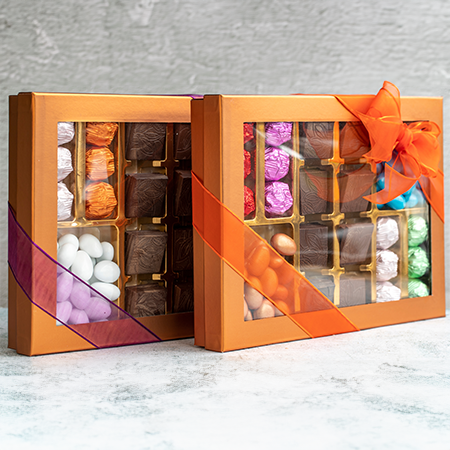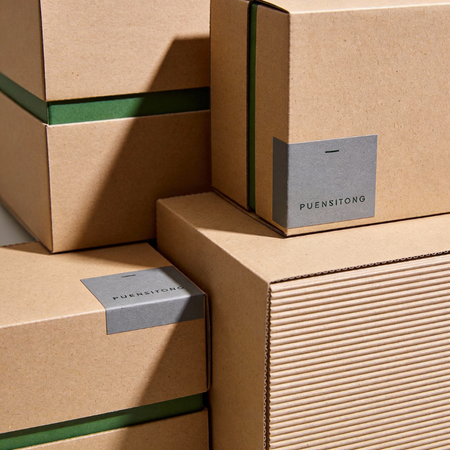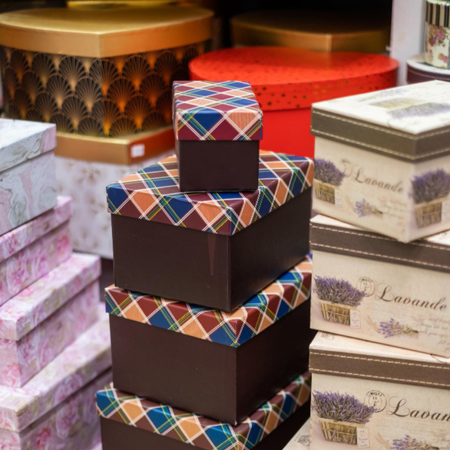
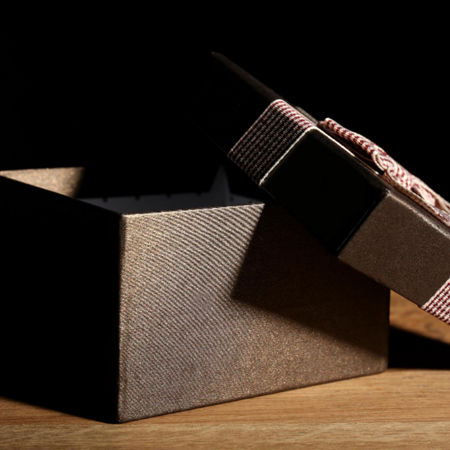
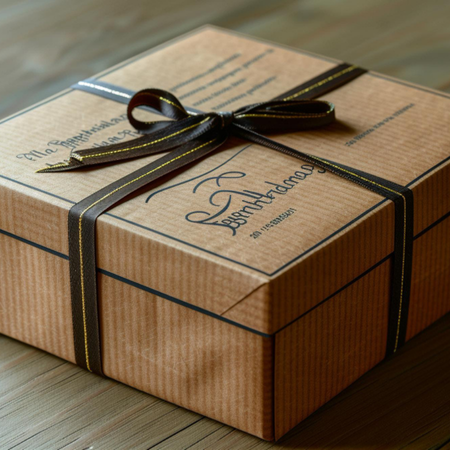
For a long time, packaging was viewed merely as a functional tool to protect a product. Today, however, that definition has far exceeded its limits. Packaging has evolved into a powerful design object that reflects a product’s identity, style, and quality. This transformation has also paved the way for certain packages to transcend their functional role and become collectible objects. But could these special designs one day become the antiques of the future?
What Makes a Package Collectible:
One of the key traits of collectible packaging is its ability to withstand the test of time. A carefully constructed visual language that departs from the ordinary distinguishes these designs from the rest. Limited production, fine craftsmanship, the use of innovative materials, or the power to represent a cultural era are all factors that enhance their value. Packaging design, therefore, requires a strategy that considers not only the present but also how it will be remembered in the future.
Silent Witnesses of Cultural Memory:
Packaging serves as a silent witness to the aesthetic sensibilities and production culture of its time. A soda bottle from the mid-20th century or a vintage chocolate box, for instance, is more than just packaging - it is a design object that reflects a way of life. Today, this perspective is being reinterpreted through contemporary design approaches. Brands are increasingly investing in packaging that may carry such cultural significance in the future.
The Role of Sustainability and Durability:
A package’s collectible value depends not only on its aesthetics but also on its physical durability. Packaging made from high-quality, long-lasting materials has a greater chance of being preserved over time, making it a potential “antique of the future.” Materials such as glass, metal, thick cardboard, and wood are particularly valued in this regard.
Art, Design, and Emotional Connection:
Collectible packaging forms a bond with consumers that goes beyond an ordinary purchase. This connection often stems from aesthetic appreciation or nostalgic evocation. Designs that flirt with art further amplify this emotional resonance.
Leaving Traces for the Future:
A package that seems ordinary today may become a symbol of its era years from now. For designers and manufacturers, this perspective introduces a new responsibility: to create not something fleeting, but something enduring.
In short, packaging design not only reflects today’s consumer habits but also shapes the aesthetic heritage of the future. That is why collectible packaging may one day be displayed in museums - not as relics of the past, but as the antiques of tomorrow.
At LuxBoxPack, we provide packaging solutions tailored to the evolving needs of our clients in different sectors. Contact us at +90 212 438 82 15 to get detailed information about our product range.